Digital technology has transformed how people communicate, work, and spend their free time. Online entertainment, social media, and streaming platforms provide convenient ways to stay connected, yet many people are rediscovering the enjoyment of activities that bring them together in person.
Board games, collectible card games, creative workshops, and local clubs offer opportunities to develop friendships through shared experiences. Unlike entertainment that revolves around individual screens, these hobbies encourage conversation, cooperation, and active participation.
The renewed interest in social hobbies reflects a desire for more meaningful interactions and experiences that feel different from everyday digital routines. People increasingly appreciate activities where they can learn something new, meet others with similar interests, and enjoy time together without constant interruptions.
As communities continue adapting to modern lifestyles, traditional social activities are finding new relevance, demonstrating that entertainment does not always require advanced technology to remain engaging.
Collectible Card Games Are Bringing Players Back Together
Collectible card games have become important gathering points for people who enjoy strategy, competition, and shared interests. Local gaming stores frequently organize tournaments, casual matches, and beginner-friendly events where participants can meet other enthusiasts.
Magic: The Gathering provides a particularly recognizable example. Players build decks, experiment with different strategies, and compete in matches that require planning and adaptability. The physical nature of the game also encourages interaction through trading, collecting, and discussing individual cards.
Enthusiasts exploring mtg sealed products online can discover different ways to expand their collections or prepare for shared gaming experiences. Sealed products are especially relevant to draft and sealed-format events, where opening cards becomes part of the activity.
These gatherings create opportunities for friendships that extend beyond individual matches. Regular players often develop familiar routines around local events, making gaming stores important social spaces within their communities.
Board Game Nights Are Becoming Popular Again
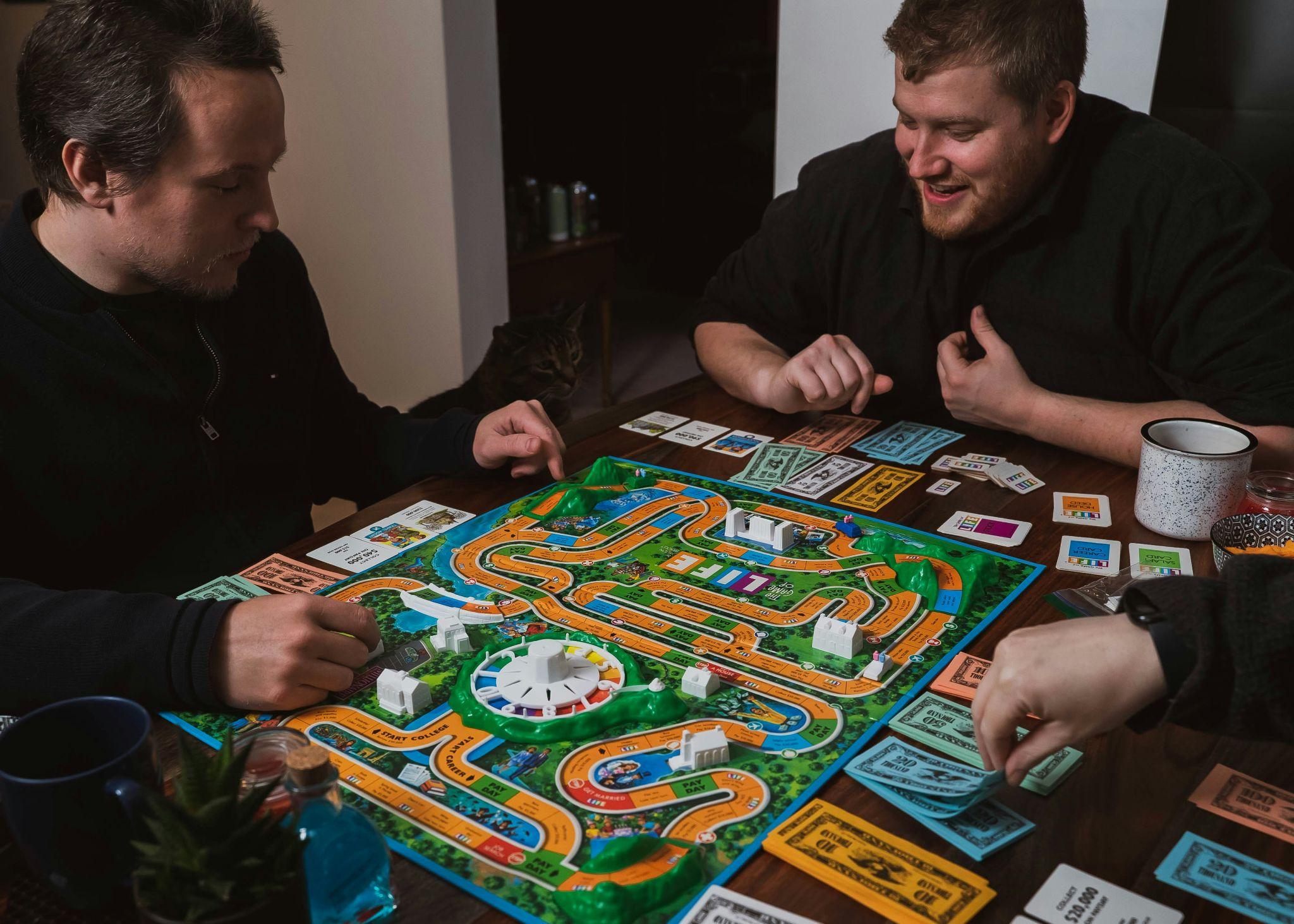
Board games offer an accessible way for friends and families to spend time together without relying on digital entertainment. Their appeal comes from the combination of competition, conversation, and unexpected moments that develop naturally during play.
Modern board games offer considerably more variety than many people expect. Cooperative games encourage participants to solve problems together, while strategy games reward careful planning and creative decision-making.
Party games provide a different experience, emphasizing humor, communication, and spontaneous interaction.
Organizing a board game evening also requires relatively little preparation. A comfortable table, suitable refreshments, and a game that matches the group’s interests are often enough to create an enjoyable gathering.
For newcomers, choosing games with straightforward rules can make participation easier.
The growing appeal of these evenings demonstrates how familiar activities can provide entertainment while strengthening relationships through shared experiences.
Creative Workshops Encourage Learning Through Social Interaction
Creative hobbies are increasingly associated with community gatherings where participants can develop practical skills while meeting new people.
Pottery classes, painting workshops, sewing groups, and photography clubs provide opportunities to learn through direct participation. These activities create a different atmosphere from traditional social gatherings because everyone shares a common objective.
Beginners may appreciate receiving guidance from instructors, while experienced participants can exchange techniques and ideas.
The creative process also encourages natural conversation. Discussing materials, comparing approaches, and celebrating finished projects helps people become comfortable with one another.
Workshops can be particularly appealing to individuals who find large social events overwhelming. A structured activity provides an immediate conversation topic and reduces the pressure to maintain constant small talk.
The resulting friendships may continue beyond the original class, encouraging regular participation in local creative communities.
Local Clubs Help People Find Shared Interests
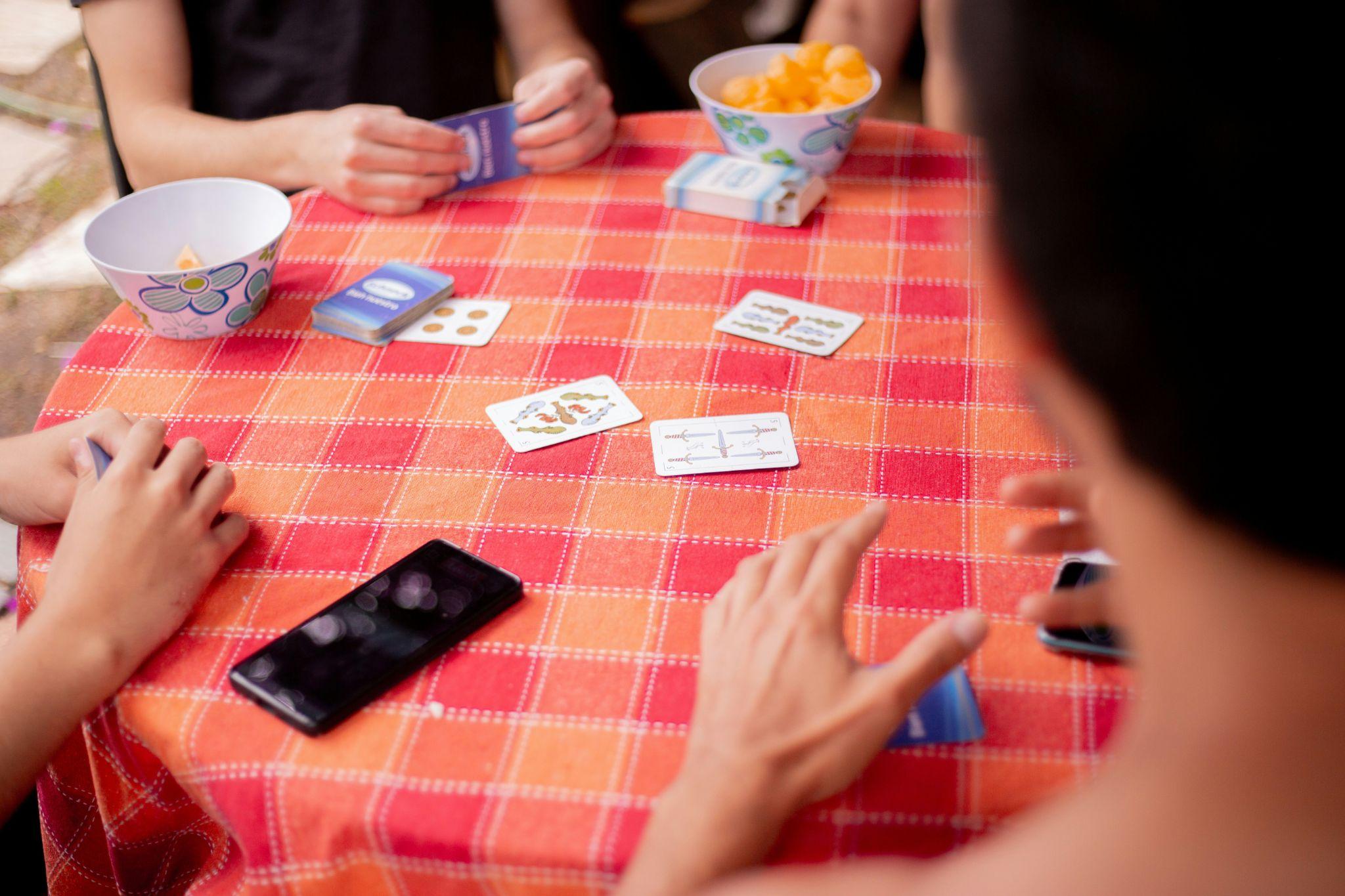
Joining a local club provides opportunities to develop relationships around activities people genuinely enjoy. Reading groups, hiking clubs, chess organizations, and recreational sports teams all create environments where participation becomes a familiar routine.
These groups are especially valuable for people who have relocated or want to expand their social circles.
Rather than relying on chance encounters, members meet regularly through activities that already interest them. This shared foundation can make conversations easier and help relationships develop naturally.
Clubs also encourage consistency. A weekly meeting or monthly event gives participants something to anticipate and provides structure for maintaining social connections.
Many organizations welcome different experience levels, allowing beginners to participate without feeling pressured to demonstrate advanced skills.
The strongest communities combine enthusiasm for the activity with a welcoming atmosphere that encourages members to return.
Hands-On Hobbies Offer a Break From Constant Screen Time
Digital entertainment provides convenience, but spending much of the day looking at screens can make recreational activities feel similar to professional responsibilities.
Hands-on hobbies introduce a different experience by encouraging attention to physical materials, movement, and direct interaction with surroundings.
Gardening, model building, woodworking, and cooking are examples of activities that allow participants to create something tangible.
These hobbies can be enjoyed independently, but they also offer opportunities for collaboration. Friends might work on a shared gardening project, while family members can prepare meals together.
Physical activities may also encourage a different kind of concentration from scrolling through digital content.
The satisfaction of completing a project or developing a practical skill provides motivation to continue.
Rather than rejecting technology entirely, hands-on hobbies offer a valuable alternative that introduces more variety into everyday recreation.
Community Spaces Are Supporting the Return of Social Entertainment
The success of social hobbies often depends on accessible places where people can gather comfortably.
Libraries, community centers, independent shops, and recreational facilities provide important spaces for organized activities and informal meetings.
A library might host a reading group, while a hobby store could organize tabletop gaming sessions. Community centers can accommodate workshops, craft gatherings, and recreational clubs.
These venues contribute to local identity by giving residents opportunities to interact outside their usual work and family environments.
Regular activities can also support nearby businesses by attracting visitors who spend time exploring the surrounding neighborhood.
Maintaining welcoming community spaces is particularly important as digital communication becomes increasingly common.
Physical gathering places allow online interests to develop into real-world friendships and shared traditions.
Finding the Right Balance Between Digital and Social Activities
The renewed popularity of social hobbies does not mean that digital entertainment has lost its value. Online communities, virtual games, and digital learning platforms remain useful ways to connect with people and discover new interests.
In fact, technology often helps people find local activities. Community websites, messaging groups, and event platforms make it easier to organize gatherings and introduce newcomers to established clubs.
The greatest benefits emerge when digital convenience supports meaningful real-world participation.
Someone might discover a board game through an online review before joining a local gaming group. A photography enthusiast could learn techniques through videos and later attend an in-person workshop.
These experiences demonstrate that traditional and digital entertainment can complement one another.
Ultimately, the return of social hobbies reflects a continuing desire for genuine human connection. Shared activities provide opportunities to develop friendships, exchange ideas, and enjoy memorable experiences beyond individual screens.
As modern lifestyles continue evolving, social hobbies remain valuable because they bring people together through creativity, cooperation, and the simple pleasure of spending time with others.