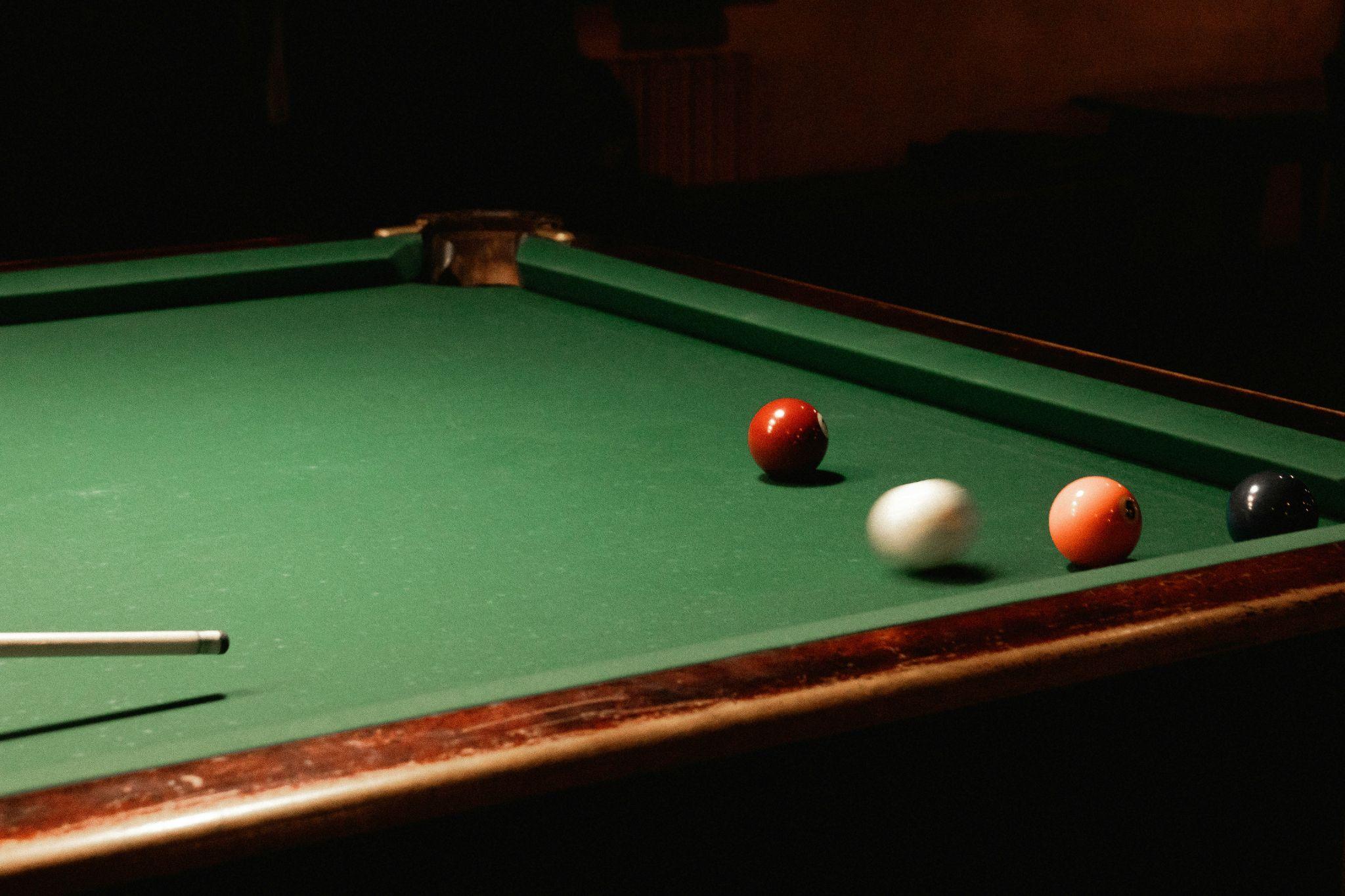
A snooker club rarely loses regulars because of one dramatic mistake. More often, people gradually stop coming because several small frustrations start adding up. Tables feel slightly neglected, the room looks tired, equipment is inconsistent, bookings become annoying, or the atmosphere no longer feels as welcoming as it once did.
That can be difficult to notice from inside the business. Staff may become used to small maintenance issues because they see them every day, while players notice them immediately because they remember how the club felt on previous visits.
Regulars are especially valuable because they already know the venue, understand the atmosphere, and often bring friends with them. If familiar faces begin disappearing, it is worth examining the everyday experience before assuming the solution is simply more advertising.
Start With the Cleanliness Players Notice Immediately
Snooker clubs have several areas where dirt builds gradually: entrances, floors, seating areas, restrooms, table surrounds, and exterior walkways. Because the change happens slowly, staff may not notice how tired those areas have become until someone compares the club with a cleaner competitor. For larger cleaning jobs or heavily used exterior and service areas, commercial equipment suppliers such as hotsysouthtexas.com show the kind of heavier-duty cleaning solutions businesses may use when ordinary household equipment is no longer enough.
Inside the club, consistency matters more than occasional deep cleans. Floors should not feel sticky, bins should not remain full during busy evenings, and tables should not be surrounded by yesterday’s glasses or chalk dust. Restrooms deserve particular attention because players often use them as an informal measure of how seriously a venue takes maintenance. A club can have excellent tables and still feel poorly managed if the surrounding environment looks neglected.
Check the Tables From a Player’s Perspective
Regular players are sensitive to details that casual visitors may barely notice. Cloth condition, table level, cushion response, lighting, pockets, rests, and cue availability all affect whether a session feels worth paying for. Small problems become especially frustrating when they remain unchanged for weeks because they suggest that nobody is paying attention.
Walk through the room as though you were about to pay for two hours of play. Are some tables noticeably better than others? Are lights consistent across every playing surface? Are cues damaged, warped, or missing tips? Does every table have the basic accessories players expect nearby?
Maintenance does not always require replacing expensive equipment. Sometimes the biggest improvement comes from fixing several minor issues quickly instead of allowing them to accumulate. Regular players do not necessarily expect a luxury environment, but they do expect the club to care about the game as much as they do.
Make Booking a Table Less Annoying
A good snooker club can still lose players if arranging a game becomes unnecessarily difficult. If regulars have to call several times, wait for someone to answer, or arrive without knowing whether a table will be free, another venue with simpler booking can quickly become more attractive.
The booking process should be clear and predictable. Whether the club uses phone reservations, an online system, messaging, or a combination, staff should handle requests consistently. Players should know how long tables can be reserved, what happens when someone arrives late, and whether busy periods require advance booking.
It also helps to understand when demand is strongest. If Wednesday evenings are always packed while Sunday afternoons are empty, promotions or leagues can be structured around those patterns rather than using the same approach every day. The easier it is for regulars to organise a game, the more likely the club remains part of their routine.
Do Not Let the Atmosphere Become Flat
Snooker clubs depend heavily on atmosphere. People may arrive primarily to play, but they often return because the venue feels familiar. When that sense of community disappears, the club can start feeling like a room containing tables rather than a place people actively want to spend an evening.
Staff interaction plays a large role. Regulars do not need exaggerated hospitality, but being greeted and acknowledged makes a difference. New players also need enough friendliness to avoid feeling that they have walked into a private club where everyone already knows one another.
Leagues, small competitions, match nights, coaching sessions, or casual club events can create reasons to return beyond booking an ordinary table. Even simple touches such as displaying local tournament results or recognizing good performances can strengthen the sense that the club has an identity. The strongest venues often feel social without becoming distracting for players who simply want a quiet frame.
Fix Food, Drinks, and Seating That Encourage People to Leave Early
Players often spend several hours at a snooker club, which means the experience around the table matters too. If drinks take too long, seating is uncomfortable, or there is nowhere pleasant to sit between frames, people may start shortening their visits even if they still enjoy playing.
The menu does not have to be large. A smaller selection served reliably is usually better than offering too many options badly. Drinks should be easy to order without repeatedly interrupting staff, and tables near seating areas should be cleared often enough that the room never feels abandoned.
Consider non-players as well. Friends or partners who come along may spend much of their time watching rather than playing. Comfortable seating, decent lighting, and a pleasant environment can determine whether they are happy to return. Keeping those people comfortable can indirectly help retain the regular player who brought them.
Pay Attention to Price Without Competing Only on Price
Regulars notice price changes quickly because they know what a typical session normally costs. That does not mean a club must always be the cheapest option. Players may happily pay slightly more for better tables, reliable booking, good service, and a cleaner environment.
Problems begin when the price rises while the experience appears to decline. A damaged cue, dirty restroom, or poorly maintained table feels much more irritating when the customer has just paid more than before.
Instead of relying heavily on discounts, consider rewarding consistency. Off-peak rates, league packages, prepaid sessions, or simple loyalty benefits can give regular players a reason to keep choosing the club without making every visit dependent on a promotion. Pricing should support the feeling that returning players are valued, not taken for granted.
Ask the Regulars Who Still Come
One of the easiest ways to understand why people are disappearing is to speak with the players who have not left yet. They often know exactly what has changed because they have been visiting long enough to notice it.
The conversation does not need to become a formal survey. Ask what could make the club better, which table they avoid, whether booking has become difficult, or if there is anything they regularly find frustrating. Patterns will usually appear quickly.
Pay particular attention when several people mention the same small issue. What seems insignificant to management may be affecting dozens of visits every week.
Snooker clubs usually build loyalty through consistency rather than novelty. Players want dependable tables, a comfortable environment, reasonable service, and a club that still feels like somewhere worth spending an evening. Fix those small problems before they become permanent frustrations, and regulars have far fewer reasons to start looking elsewhere.