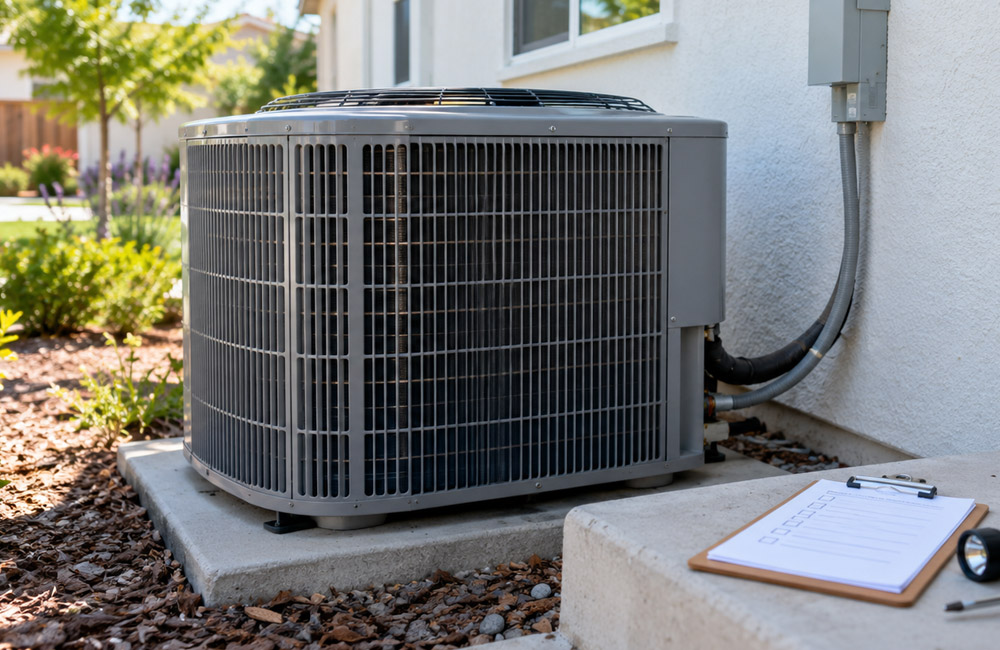
When an air conditioner quits during a triple-digit Elk Grove afternoon, the first hour matters. Quick, safe checks can sometimes restore cooling, protect equipment like the compressor and blower motor, and help a technician resolve the problem faster. This article covers practical steps homeowners can take before a truck arrives: what early signs mean, what to check at the thermostat and breaker panel, how to handle a frozen evaporator coil or clogged condensate drain, and which details help the dispatcher prioritize your call. None of this replaces professional service, but it can reduce heat stress at home and prevent avoidable damage.
Early warning signs that narrow the problem
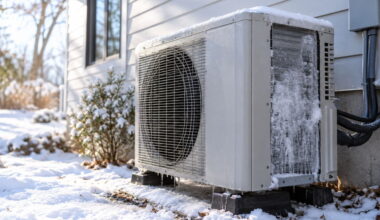
Take a minute to observe symptoms. Warm air from supply vents while the outdoor condenser runs could indicate a frozen evaporator coil, low airflow from a clogged filter, or a refrigerant issue. If the outdoor unit is silent and the indoor air handler is blowing but not cooling, a failed capacitor or contactor may be preventing the compressor and fan from starting. Loud buzzing at the condenser with a non-spinning fan often points to a failed capacitor. Little or no airflow indoors with an iced suction line or visible frost on the indoor coil suggests airflow restriction or a thermostat set too low for current conditions. Water around the air handler may signal a clogged condensate drain or a tripped float switch that shut the system down to prevent overflow.
The first hour checklist you can do safely
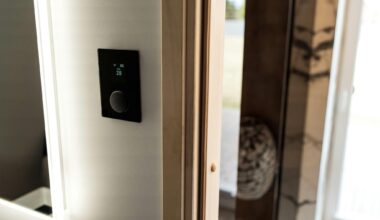
Start at the thermostat: confirm it is on Cool, the setpoint is below room temperature, and the fan is set to Auto. Replace a dirty air filter at the return grille; a starved blower can ice the coil and stall cooling. Open closed supply registers and make sure return grilles aren’t blocked by furniture. If you see frost on the refrigerant line or suspect an iced evaporator coil, switch the thermostat to Fan (On) for 30 to 60 minutes to thaw it. If these steps don’t restore cooling, request Emergency AC repair in Elk Grove, CA so that a licensed technician can diagnose electrical and refrigerant components.
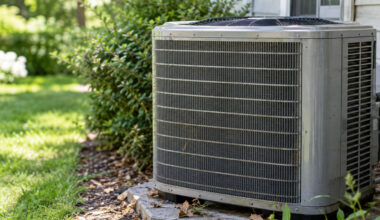
Next, check electrical service you can access safely. At the main panel, look for a tripped AC breaker; reset it once, and only if it holds. A breaker that trips again points to an electrical fault and requires service. Outside, make sure the condenser’s disconnect isn’t pulled. Clear leaves and debris from around the condenser coil to improve airflow, but do not open panels or poke the fan. Near the indoor unit, look for a full condensate pan or water around the air handler; if present, power the system off to prevent ceiling damage and call for service. If your drain terminates outside, a quick wet/dry vacuum at the line’s end can sometimes clear a clog, but stop if you are unsure where the line goes.
Details that help the dispatcher and technician
Specifics shorten diagnostic time. Share what you observed: Does the condenser run? Is the outdoor fan spinning? Is there ice on the suction line? Is there water near the air handler? Did the breaker trip? Is there any burning smell? Mention noises like persistent buzzing at the condenser, rattling from the blower compartment, or short cycling (frequent starts and stops). Provide thermostat type (standard or smart) and any error codes. Note filter size and when it was last changed. Tell the dispatcher where the equipment is located (attic, garage, closet, side yard) and whether the home is a one- or two-story, since attic access on hot days can affect timing and safety. If this is a recurring issue after recent work, that context matters too.
Staying safe and limiting heat load while you wait
Heat rises quickly in two-story Elk Grove homes. Close blinds and drapes on sun-facing windows, run ceiling fans counterclockwise to push air downward, and use portable fans to move air across occupants. Avoid ovens, dryers, and other heat-producing appliances. If the coil is iced, keep the system in Fan (On) to thaw, then return to Cool after at least 30 minutes; running the compressor against an iced coil can send liquid refrigerant back to the compressor and risk damage. Do not repeatedly reset a tripped breaker, and shut the system off if you smell electrical burning or see smoke. Keep children and pets away from the condenser and any water around the air handler.
What qualifies as a true emergency vs. what can wait
Some symptoms demand immediate shutdown and prompt service: a breaker that trips again after a single reset; smoke or a burning odor from the air handler or condenser; water dripping from a ceiling below an attic air handler; or the outdoor fan not spinning while the condenser hums. Vulnerable occupants (infants, older adults, or medically fragile family members) in indoor temperatures above 85 to 90 degrees also make the situation urgent. Other issues, like mild airflow reduction from a dirty filter that resolves after a change, may allow you to schedule standard service. Trade-off example: if thawing an iced coil restores cooling temporarily, you might limp through the evening, but repeated icing points to an underlying airflow or refrigerant problem that still needs diagnosis.
Two quick scenarios illustrate timing choices. Scenario one: a family returns to a 105-degree afternoon and finds the breaker trips again immediately after one reset. That home should shut the AC off and request urgent service to avoid electrical hazards. Scenario two: an upstairs zone warms to the mid-80s, the suction line shows frost, and the filter is overdue; thawing the coil with Fan (On), replacing the filter, and reducing heat load may restore partial comfort while you book the next available appointment. In both cases, documenting what you checked helps the technician arrive prepared.
Responding methodically to an AC outage protects your equipment and your household. Confirm thermostat settings, replace a clogged filter, safely thaw an iced coil, and check for a single tripped breaker without forcing it. Share clear observations with the dispatcher so the technician can prioritize hazards like electrical smells or active leaks. While you wait, cut indoor heat load and use fans for comfort. Even if a quick step brings temporary relief, lingering issues deserve a proper diagnosis so the system is ready for the next Elk Grove heat wave.