What Veneers Actually Do
Dental veneers are thin coatings that improve tooth appearance. They fit each tooth like a little personalized jacket and are constructed of porcelain or composite resin. Veneers do not cover the tooth like crowns. They concentrate on the front, where cosmetic issues are most noticeable.
Veneers can change the apparent color, length, width, shape, and alignment of selected teeth. A tooth that looks short may appear more balanced. A stubborn gray mark may disappear behind a brighter surface. Small spaces can look narrower, and uneven edges can become smoother. The goal is not to create a row of identical piano keys. A skilled dentist aims for a smile that looks bright, believable, and suited to the patient’s face.
The treatment is cosmetic, but the planning is highly detailed. Tooth proportions, gum levels, facial symmetry, speaking patterns, and bite pressure all matter. A veneer that looks excellent in a photograph may feel awkward if it interferes with how the teeth meet. Good planning keeps the smile attractive and functional.
Choosing Between Porcelain and Composite
Porcelain veneers are made outside the mouth, generally in a dental laboratory. They offer a glasslike appearance that reflects light in a way similar to natural enamel. Porcelain is also highly resistant to staining, which makes it popular with people who enjoy coffee, tea, berries, and other colorful foods that behave like tiny artistic vandals on natural teeth.
Composite veneers are sculpted directly onto the tooth using tooth colored resin. They can often be completed in fewer appointments and may require less alteration of the enamel. They are usually easier to repair if chipped, but they can be more vulnerable to staining and surface wear than porcelain.
Neither material is automatically best for every patient. The choice depends on the condition of the teeth, the desired appearance, the bite, the budget, and the amount of tooth preparation needed. A dental examination helps determine whether one material is a better fit than the other.
The Consultation Sets the Direction
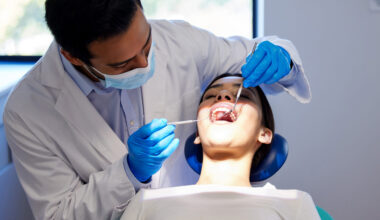
The first appointment is more than a quick look in the mirror followed by a cheerful thumbs up. It is the planning stage for the entire smile design. The dentist examines the teeth and gums, checks for decay, evaluates existing fillings, and studies how the upper and lower teeth come together.
Photographs and digital scans can capture the smile. Patients can also observe tooth length and shape changes on a preview model or temporary replica in some offices. This stage helps since terms like natural, bright, and balanced mean different things to different people. Someone’s dream smile is another’s suspiciously shiny TV smile.
Patients should also discuss their everyday habits. Nail biting, chewing ice, opening packages with the teeth, or clenching at night can place extra stress on veneers. These habits do not automatically rule out treatment, but they may need to be addressed before or after placement.
Preparing the Teeth
Before veneers are placed, the teeth and gums need to be healthy. Active cavities, gum inflammation, cracked teeth, and untreated grinding concerns can complicate the treatment. Addressing these problems first creates a more stable foundation.
The dentist may remove some front enamel to prepare a tooth. The amount depends on the desired effect, material, and tooth position. Some scenarios demand minimum preparation, while others need greater space for balance.
A local anesthetic may be used if the preparation reaches sensitive areas. After preparing the teeth, the dentist takes digital or traditional imprints. While permanent restorations are manufactured, temporary veneers might be implanted. Patients can test the appearance and get acclimated to speaking and eating with the new shape with these temporary coverings.
Temporary veneers are not the final product, so they may feel slightly different or appear less polished. They should be treated carefully and kept clean. Sticky foods can be especially troublesome because temporary materials are not bonded with the same strength as the permanent veneers.
The Bonding Appointment
When the custom veneers arrive, the dentist checks each one against the teeth. Color, shape, contact points, and edges are assessed before anything is permanently attached. This is the moment when tiny details receive enormous attention. A fraction of a millimeter can affect how a tooth looks beside its neighbor.
The teeth are cleaned and prepared so the bonding material can grip securely. The veneers are positioned with dental cement, and a special curing light hardens the material. Excess cement is removed, the bite is checked, and small adjustments are made where necessary.
Patients may notice mild sensitivity afterward, especially to cold drinks. This usually settles as the teeth adapt. The gums can also feel slightly tender if the veneer edges sit near the gumline. Good fit and careful finishing help the tissues adjust comfortably.
Eating and Speaking After Treatment
Most people can return to normal daily activities quickly, although the first few days may feel unusual. The teeth may seem larger because their new contours are unfamiliar. The tongue may also conduct a brief investigation of every edge in the mouth. Speech generally settles as the mouth adapts.
Soft foods can be comfortable immediately after placement. It is wise to avoid biting directly into very hard items, such as ice, hard candy, or unpopped popcorn kernels. Apples and firm sandwiches can still be enjoyed, but cutting them into smaller pieces may reduce pressure on the front teeth.
Veneers are strong, but they are not indestructible. They improve the appearance of teeth without turning them into kitchen tools, bottle openers, or emergency scissors.
Caring for a Veneer Smile
A veneer covered tooth still has natural tooth structure underneath, so brushing and flossing remain essential. Plaque can collect around the gumline and may contribute to decay or gum disease even when the visible front surface is covered.
Use a soft bristled toothbrush and fluoride toothpaste unless a dentist recommends a different product. Floss gently around each veneer to remove debris between the teeth. Routine cleanings help protect the gums and identify small problems before they become larger ones.
Porcelain resists stains well, but the natural teeth beside the veneers can still darken over time. This is one reason shade planning matters. Whitening treatments do not change the color of porcelain, so whitening natural teeth after veneers are placed may create an uneven result. If whitening is part of the long term plan, it is usually discussed before the final veneer shade is selected.
People who grind or clench may benefit from a custom night guard. This protective appliance can reduce pressure while sleeping, when the jaw sometimes behaves like it has an unpaid grudge against the teeth.
How Long Veneers Can Last
The lifespan of veneers depends on the material, bonding quality, bite forces, oral hygiene, and daily habits. Porcelain veneers can last many years when maintained carefully, while composite restorations may need polishing, repair, or replacement sooner.
A veneer can chip, loosen, or develop a visible margin. If this happens, do not attempt to glue it back with household adhesive. That approach belongs in a slapstick comedy, not in a dental treatment plan. A dentist can determine whether the veneer can be rebonded, repaired, or replaced.
Regular dental visits allow the dentist to monitor the veneers, gums, bite, and supporting teeth. These appointments are also useful for professional cleaning and checking whether clenching or other habits are placing extra strain on the restorations.
When Veneers May Not Be the Right Choice
Veneers cannot fix all cosmetic issues. Other treatments may be needed for severe tooth damage, decay, poor enamel, advanced gum disease, or biting difficulties. Orthodontic therapy may be better for severely rotated or crowded teeth. A crown may safeguard a tooth with little structure.
Patients with frequent grinding, poor plaque control, or unrealistic expectations may need additional planning before moving forward. Veneers can create a dramatic change, but they cannot correct every dental problem or guarantee a perfectly maintenance free smile.
The best candidates understand that veneers are long term restorations, not removable accessories. Once enamel has been altered for traditional porcelain veneers, the tooth will generally need continued coverage in the future.
FAQ
Are veneers painful to get?
The preparation appointment is typically managed with local anesthetic, so patients should not feel sharp discomfort during the procedure. Some sensitivity to cold or pressure can occur afterward. Temporary soreness around the gums is also possible, but it commonly improves within a few days.
Can veneers cover crooked teeth?
Veneers can make mildly uneven or slightly rotated teeth look straighter by changing their visible shape. They cannot safely correct severe crowding or major rotations by simply adding more material. In those situations, orthodontic treatment may be needed before cosmetic treatment.
Do veneers look natural?
They can look very natural when the color, translucency, shape, and proportions are carefully planned. Natural teeth are not perfectly identical, so subtle differences in texture and shade often create a more believable result than a completely uniform white appearance.
Can I drink coffee with veneers?
Coffee can usually be enjoyed with veneers. Porcelain is highly stain resistant, although the bonding material and nearby natural teeth may discolor over time. Rinsing with water afterward and maintaining regular brushing can help keep the smile looking even.
Are veneers permanent?
Veneers are considered a long term treatment rather than a temporary cosmetic option. They may eventually need repair or replacement because of wear, chips, gum changes, or bonding failure. Proper hygiene and protection from grinding can help extend their service life.
Can veneers fall off?
A veneer can loosen if the bond is weakened, the tooth is injured, or excessive force is placed on it. A loose veneer should be evaluated by a dentist promptly. The tooth underneath may remain healthy, but it should not be left exposed for an extended period.
How many veneers are usually needed?
The number varies according to the smile design and the teeth visible during smiling. Some patients need one veneer for a single damaged tooth, while others choose several across the front teeth for a broader change. The dentist can explain how different numbers may affect symmetry and color matching.
Do veneers protect teeth from cavities?
Veneers cover part of the tooth but do not make it immune to decay. The uncovered edges, back surfaces, and spaces between teeth still require careful cleaning. Healthy gums and regular dental care remain important after placement.