When Your House Starts Feeling Like a Suitcase
There comes a point when your home begins to give you signals. The sofa develops a permanent relationship with the dining table. Coats multiply across the hallway. Someone opens a cupboard and a saucepan falls out with the confidence of a theatrical performer.
These are not merely minor household irritations. They often indicate that your property no longer matches the way you live. Perhaps you work from home, need somewhere for visiting relatives, or want a kitchen where two people can move at the same time without performing an awkward dance around the fridge.
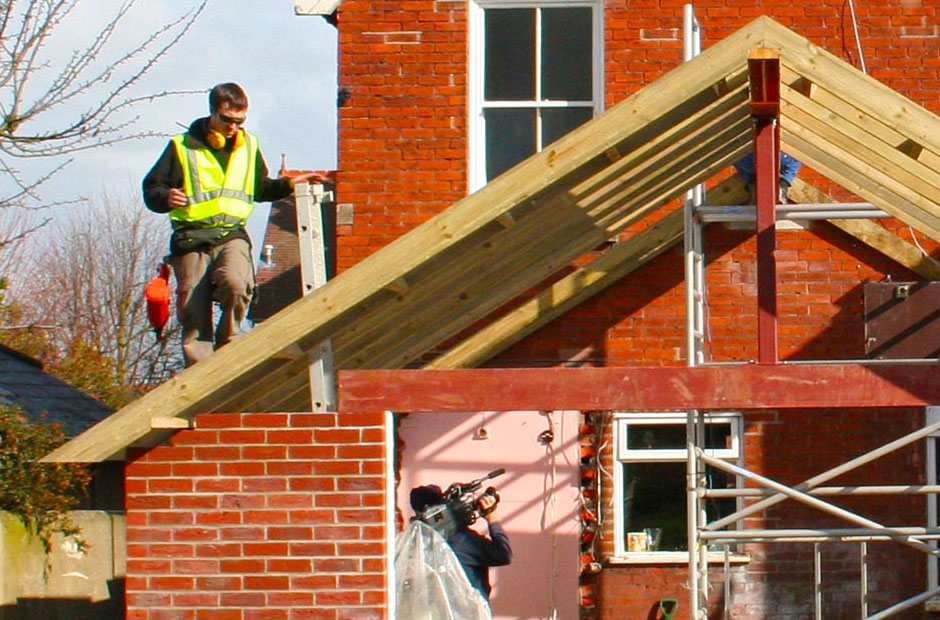
An extension can solve these problems, but creating extra space is not as simple as attaching a room to the back of the house and hoping for the best. It involves design decisions, structural work, legal requirements, materials, scheduling, and a fair amount of dust. An experienced extension builder in Essex can bring all those moving parts together and turn an overcrowded property into a home that feels calmer and more useful.
Turning Half Formed Ideas Into a Proper Plan
Most homeowners begin with a vision rather than a drawing. You may imagine a bright kitchen, a spacious family room, or a peaceful office tucked away from the television. That is a perfectly good starting point, although builders cannot construct a daydream, charming as it may be.
A professional builder can examine your ideas and translate them into a practical layout. They can consider how people move through the house, where natural light will enter, how doors should open, and whether the new room will connect naturally with the existing building.
This is particularly important in older Essex homes, where uneven walls, unusual rooflines, narrow passages, or previous alterations may affect the design. A skilled team can identify these challenges before they become expensive surprises.
Good planning also helps you decide what the extension is truly for. A dining area may sound attractive, but perhaps what you actually need is a flexible room that works as a breakfast space in the morning, a homework zone in the afternoon, and a gathering place in the evening. Thoughtful design gives the room more than one job without making it feel like a furniture warehouse.
Making the New Space Belong to the Old House
A poorly planned extension can look as though it has arrived from another postcode. The windows may clash with the original property, the roof may feel awkward, or the new brickwork may stand out like a guest wearing a bright orange hat at a formal wedding.
An experienced extension builder in Essex can help create a more harmonious connection between old and new. This may involve matching brickwork, choosing complementary windows, continuing existing roof details, or using carefully selected finishes to give the entire property a joined-up appearance.
The aim is not always to make the extension invisible. Contemporary glass, timber, and clean lines can create an attractive contrast with a traditional house. The important thing is that the difference looks deliberate rather than accidental.
This balance can make a major difference to how you feel about the finished project. A well-integrated extension should seem like a natural development of your home, not a separate building that has wandered into the garden and refused to leave.
Keeping the Project Moving While Life Carries On
Building work has a habit of expanding into every spare corner of your life. One minute you are choosing a tap. The next, you are discussing insulation, drainage, plasterboard, lighting, flooring, and the emotional wellbeing of a very confused cat.
These nuances might be tough to manage alone. An extension builder can manage trades, delivery, progress, and practical difficulties. Instead of talking to electricians, plumbers, roofers, and suppliers, you have one point of contact.
Good coordination also reduces the risk of work being completed in the wrong order. There is little value in painting a wall before new wiring is installed, unless you have always wanted to paint it twice.
A professional team can create a clear schedule and keep the project moving through each stage. Although building work will always involve some disruption, proper organisation can prevent small delays from turning into a long-running domestic saga.
Understanding Local Rules Before Work Begins
Planning and building regulations can feel like a maze designed by someone who dislikes straight lines. Whether permission is required depends on the size, position, height, and type of extension, along with details about the existing property and local restrictions.
An extension builder with knowledge of Essex properties and local processes can help you understand what applies to your project. They may assist with the information needed for applications, work alongside architects or surveyors, and ensure the construction follows the relevant standards.
Building regulations cover areas such as structural stability, fire safety, ventilation, insulation, drainage, and energy efficiency. These requirements are not simply bureaucratic hurdles. They help ensure that your new space is safe, comfortable, and suitable for long-term use.
Getting the details right from the beginning can prevent serious problems later. A project that ignores regulations may face delays, costly alterations, or difficulties when you eventually sell the property. Nobody wants their dream kitchen to become a future legal mystery.
Creating Comfort Instead of Just Square Metres
Additional floor space is useful, but the quality of that space matters just as much. A dark room with poor ventilation will not feel generous, no matter how many square metres it contains.
A good builder can assist you design insulation, glazing, heating, ventilation, and lighting. These elements affect the extension’s year-round comfort. Large windows let in natural light, but screening can prevent the room from becoming a greenhouse in July.
Energy efficiency should also be considered early. Well-insulated walls, floors, and roofs can help maintain a steady indoor temperature and reduce unnecessary heating costs. Efficient choices may require more thought at the planning stage, but they can reward you every winter when the house stays warm without the boiler behaving like an overworked dragon.
The best extensions are comfortable in practical ways. They have sensible storage, useful power points, suitable lighting, and enough room to move around without apologising to the furniture.
Protecting Your Budget From Sneaky Surprises
Every building project needs a realistic budget. The danger is that costs can creep upwards through small decisions. A slightly larger window here, upgraded flooring there, and suddenly the budget is wearing sunglasses and pretending not to know you.
An experienced extension builder can help you understand the likely costs before work begins. They can explain where your money will have the greatest impact, identify possible problem areas, and separate essential work from optional finishes.
Clear communication is essential. You should understand what is included, which materials have been allowed for, and how changes may affect the final price. A detailed quotation can provide a much firmer foundation than a vague figure scribbled on the back of an envelope.
Budget control does not mean choosing the cheapest option at every stage. Very low-cost materials or rushed workmanship can lead to repairs later. Sensible planning means spending wisely, selecting durable products, and avoiding waste wherever possible.
Increasing the Long Term Usefulness of Your Property
A good extension should improve your everyday life, but it can also strengthen the appeal of your home. Buyers often look for properties with adaptable living areas, practical kitchens, extra bedrooms, home offices, and useful storage.
However, adding value is not simply about making the extension as large as possible. A badly proportioned addition may reduce garden space, disturb the balance of the property, or create rooms that are difficult to furnish.
A builder who understands construction and usability can help you achieve a better balance. The extension should support the character of the home, work well for your household, and remain attractive to future occupants. Even if selling is not on your immediate horizon, flexible design gives your property more options as life changes.
Building With Less Disruption
Construction cannot be completely silent or spotless. There will be drilling, deliveries, muddy boots, and at least one mysterious collection of offcuts that nobody remembers ordering.
Even so, an organised builder can reduce the impact on your household. They can establish access arrangements, protect areas that are not being renovated, keep waste under control, and maintain reasonable site safety.
This matters especially when you are living in the property during the work. A sensible approach to communication can help you understand what will happen each week and when particular parts of the house may be unavailable.
The smoother the working arrangements, the easier it is to keep daily life functioning. You may still need to make tea in an unusual location for a while, but at least you will know why the kettle is sitting beside the laundry basket.
FAQ
How long does a house extension usually take?
The timescale depends on the size and complexity of the project, the design, required permissions, weather, materials, and the condition of the existing property. A straightforward single storey extension may take several weeks, while a larger or more complex project can take considerably longer. A professional builder should provide a realistic programme before work starts.
Do all extensions in Essex require planning permission?
Extensions may not need full planning applications. Some may be permitted development, with restrictions. Building regulations may apply without planning permission. Before building, the proposed job should be examined for safety.
Can an extension be built while the house remains occupied?
Many homeowners remain in their property during construction. This is often possible when access, safety, and essential services are managed carefully. The level of disruption will depend on whether the extension affects the kitchen, bathroom, hallway, or other parts of the existing home.
What type of extension adds the most useful space?
The best option depends on your home and property. A rear extension may expand the kitchen and family room, while a side extension may increase circulation or add an office. A well-designed loft conversion can add a bedroom without sacrificing garden space. The appropriate decision addresses your space problem.
How can I keep extension costs under control?
Start with a clear brief and a realistic budget. Obtain a detailed quotation, confirm what is included, choose materials early, and avoid frequent changes once work has begun. Allowing a contingency for unexpected conditions can also make the project easier to manage.