Start With the Life You Want to Improve
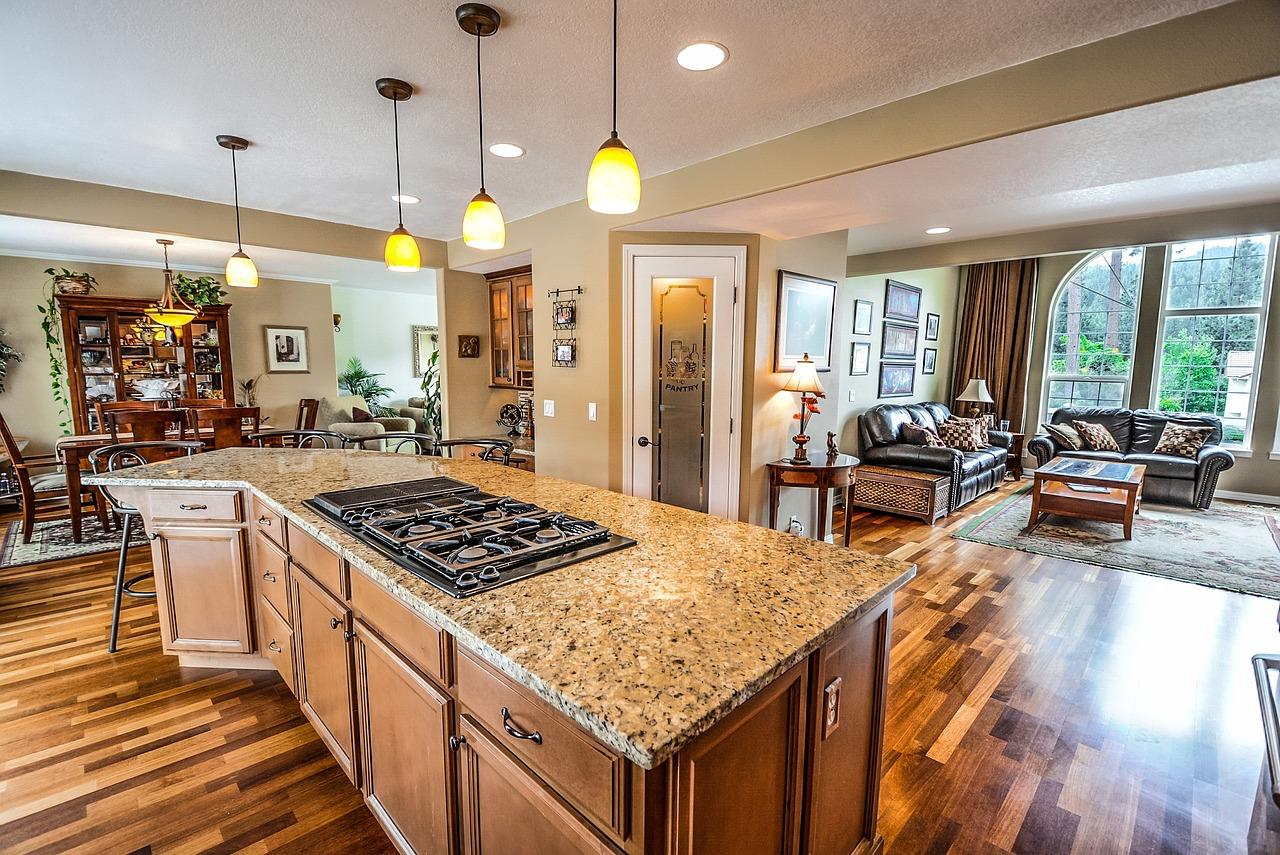
A renovation should solve a real problem, not merely provide an excuse to purchase a gold faucet shaped like a swan. Before thinking about paint colors, tile patterns, or whether your kitchen needs an island large enough to host a small parade, consider how the space is currently failing you.
Perhaps your bathroom feels like a crowded storage closet. Maybe your kitchen has one working drawer and a refrigerator that opens only after a brief wrestling match. Or perhaps the backyard is an abandoned patch of grass where outdoor furniture goes to become weathered and mysterious.
Write down what you want the renovation to accomplish. Better storage, improved energy efficiency, safer wiring, more living space, and greater comfort are all useful goals. Separating genuine needs from decorative cravings makes it easier to decide where your money should go first.
A renovation plan based on daily life is usually more financially sensible than one based entirely on passing trends. Trends can be charming, but they can also age faster than a banana left on a sunny windowsill.
Divide the Project Into Financial Zones
Large renovation projects become intimidating when every cost is thrown into one enormous, blurry pile. Break the work into categories so you can see where the money is heading.
Create separate estimates for labor, materials, permits, design services, appliances, delivery, waste removal, and temporary living arrangements. If you plan to stay elsewhere during construction, include lodging, meals, transportation, and the emotional cost of explaining to your dog why the sofa has disappeared.
Next, classify project components as necessary, useful, or optional. Structural damage, electrical failure, and plumbing leakage may require repair. Improvements could include illumination, insulation, or storage. Decorate, install luxury fixtures, or add amenities that are nice but not necessary for the property to stand.
This system gives you room to make decisions when prices change. If labor costs rise, you may be able to postpone the custom shelving without abandoning the new bathroom entirely.
Create a Renovation Reserve
Even carefully planned projects can produce surprise expenses. Walls occasionally reveal old wiring, mysterious pipes, or evidence that a previous owner had a very creative understanding of construction. A renovation reserve helps you handle these discoveries without reaching for high cost borrowing in a panic.
Many homeowners set aside a percentage of the estimated project cost for unexpected work. The appropriate amount depends on the age and condition of the home, the complexity of the renovation, and whether the project involves opening walls or changing plumbing and electrical systems.
Keep this reserve separate from the money intended for finishes and furniture. If the emergency fund is sitting in the same mental bucket as the budget for marble counters, it may mysteriously vanish before the demolition begins.
The reserve should be treated as protection, not spending money. If the project finishes under budget, you can use the remaining amount to reduce debt or support another carefully planned improvement.
Compare Financing According to Risk
Different financing methods can behave very differently. A personal loan may provide a fixed amount and predictable payments, which can make monthly planning easier. The interest rate, repayment period, fees, and total repayment amount should all be reviewed before signing anything.
A homeowner may borrow against the property’s equity. This option is useful for major improvements, but it connects the home to the borrowing arrangement. Although variable rates can make payments less predictable, a home equity line of credit may provide flexible funding.
Credit cards may be convenient for small purchases, especially when used with discipline, but they can become expensive if balances remain unpaid. A card should not quietly transform a modest flooring project into a financial saga with several sequels.
When comparing options, focus on the total cost rather than only the monthly payment. A lower monthly amount may come with a longer repayment period and a much higher overall price. Look at the annual percentage rate, origination charges, late fees, and any penalties that could apply.
Match the Borrowing Term to the Improvement
The length of the repayment period should make sense for the useful life of the renovation. Borrowing for a long period to pay for a short lived decorative feature may create an awkward situation in which the wallpaper has retired but the payments are still clocking in every month.
Major improvements that are expected to last for many years may be easier to manage with a longer repayment term, provided the total cost remains reasonable. Smaller projects may be better suited to savings or shorter financing arrangements.
Consider the payment’s impact on other obligations. Renovation payments shouldn’t prevent you from paying for insurance, utilities, upkeep, or unexpected repairs. Homes are great at demanding money after contractors pack their ladders.
Protect Your Everyday Cash Flow
A beautiful kitchen is less enjoyable when every grocery trip feels like a financial emergency. Before committing to a renovation, examine your regular income and expenses. Include subscriptions, transportation, childcare, medical costs, seasonal bills, and other expenses that tend to sneak up wearing a tiny disguise.
Calculate what amount could comfortably go toward the project each month. Then test that number against an imaginary stressful month. What happens if a car repair arrives? What if a work shift disappears? What if the household pet develops a sudden interest in expensive veterinary treatment?
A responsible plan leaves breathing room. The goal is not to use every available dollar. The goal is to improve the home while keeping the rest of life stable enough to function without theatrical panic.
Choose Contractors With More Than a Shiny Brochure
Financing a project wisely also means reducing the chance of paying twice for the same work. A contractor who offers an unusually low estimate may be a bargain, or may be an expert in making costs reappear later.
Read written estimations carefully. The proposal should describe the task, materials, labor, payment schedule, timetable, and change procedures. Avoid imprecise promises like “we can probably make it work.” They’ve started many costly adventures.
Do not make large payments far ahead of completed work unless the arrangement is clearly justified and documented. Keep records of invoices, contracts, receipts, approvals, and conversations about changes. Paperwork may not be glamorous, but it is considerably more useful than trying to reconstruct a verbal agreement while standing in a room full of dust.
Consider Improvements That Reduce Future Bills
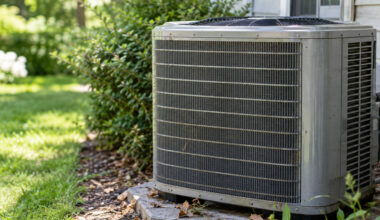
Some renovations can lower ongoing household costs. Better insulation, efficient windows, improved ventilation, water saving fixtures, and modern heating or cooling equipment may reduce utility expenses over time.
These upgrades may not have the instant drama of a dramatic backsplash, but they can quietly work in the background every day. Energy improvements are the introverts of renovation. They do not demand applause, yet they keep showing up with useful results. Comparing available plans from energy companies can help homeowners understand how their renovation choices may affect long-term utility expenses. Combining efficient home upgrades with
When estimating the financial benefit, be realistic. Consider installation costs, expected maintenance, product lifespan, and local utility rates. A projected saving is not the same as guaranteed money in your pocket, so avoid treating optimistic estimates like they are already sitting in your checking account wearing a tiny bow tie.
Keep the Design Flexible
A flexible design can protect your budget when materials become unavailable or prices rise. Choose a few nonnegotiable features and remain open minded about alternatives for everything else.
For instance, you may value durable countertops but not a particular brand or color. A handmade cabinet from a mountain kingdom may not be needed for ample storage. Flexibility lets your contractor find practical alternatives.
It also helps to distinguish between quality and prestige. A product does not become useful merely because its name is difficult to pronounce. Look for durability, warranty coverage, repairability, and suitability for the way your household actually lives.
FAQ
Is it better to renovate one room at a time?
One-room renovations streamline costs and limit disturbance. It may also let you learn from the first project before starting another. However, merging comparable operations can cut labor and delivery costs. The ideal option relies on the home’s health, financial flow, and how long you can live with construction equipment.
How much money should remain untouched during a renovation?
There is no universal figure because household expenses and project risks vary. However, keeping a separate emergency reserve is important. This money should cover ordinary financial surprises and should not be counted as part of the renovation budget. A project fund pays for improvements, while an emergency fund prevents one broken water heater from becoming a full financial melodrama.
Should cosmetic work be financed?
Cosmetic work can be financed, but the decision deserves extra caution because decorative features may not add enough lasting value to justify expensive borrowing. If the improvement is mainly for personal enjoyment, compare the payment with the cost of saving first. Borrowing may make sense in some situations, but a fashionable finish should not create years of financial discomfort.
What should be included in a renovation estimate?
Include labor, materials, permits, design services, delivery charges, disposal fees, appliances, temporary accommodation, and possible repairs discovered during construction. Also account for small purchases such as hardware, protective coverings, replacement fixtures, and meals when the kitchen is unavailable. Tiny costs have a habit of multiplying like rabbits when no one is watching.
Can energy efficient improvements help offset renovation costs?
Improvements, home consumption, climate, installation quality, and local energy pricing may lower future electricity costs. Estimate savings cautiously and consider upkeep. An efficient upgrade should be considered part of the home’s long-term performance, not a refund.
How can homeowners avoid overspending on finishes?
Set a firm allowance for each category before shopping. Compare durability and maintenance needs, not just appearance. Choose where you want to splurge and where a dependable midrange option will perform perfectly well. A home does not become less stylish because the bathroom mirror did not require a small inheritance.