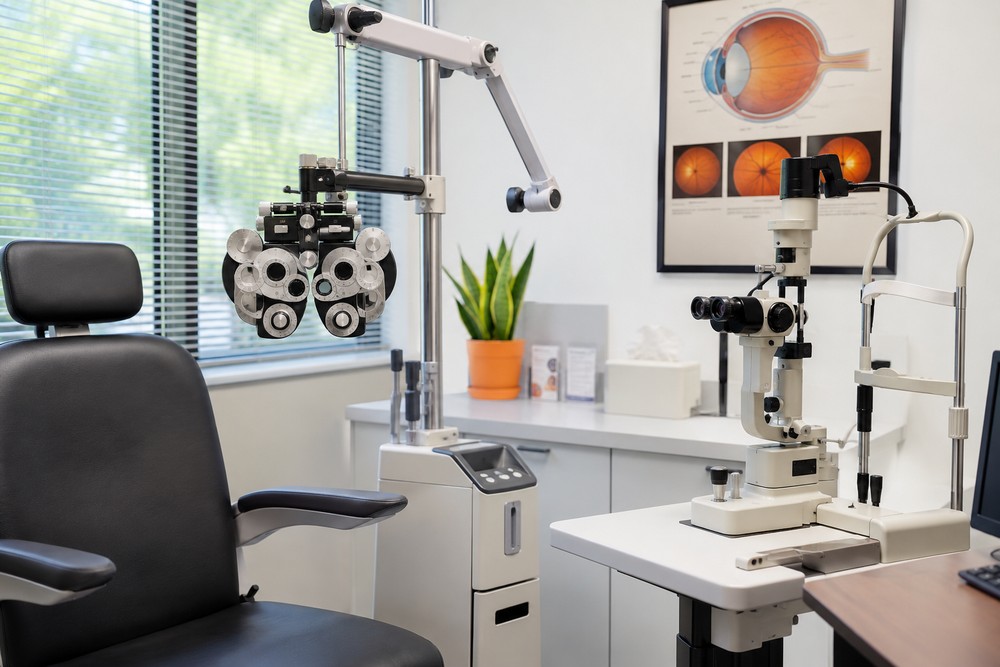
The term comprehensive can sound like extra work, but in eye care it simply means a thorough evaluation of your vision and the health of your eyes. Unlike a quick screening at school or work, it looks at how well you see, how your eyes function together and whether any disease is developing.
Anyone planning an annual eye exam should know what the visit covers. Pearle Vision describes its annual exam on its website, and the six areas below show what a full evaluation commonly includes at practices across the country.
Your needs may differ, and your doctor may add tests based on age, symptoms or medical conditions such as diabetes. That is normal and a good sign of personalized care.
A comprehensive visit also builds a baseline. Keeping each year’s results together lets your doctor compare images and measurements over time. When your doctor has records from year to year, small changes become easier to spot, which makes early detection more likely.
1. Vision Sharpness and Prescription
The core of the exam is measuring how clearly you see at distance and up close, then finding the lenses that correct it. This covers nearsightedness, farsightedness, astigmatism and age-related changes in focus.
2. Eye Teaming and Focusing
Your eyes must work together. The doctor tests alignment, tracking and focusing ability. Trouble here can cause headaches, eye strain and difficulty reading, especially for people who spend long hours at screens.
3. Eye Health Evaluation
Using magnification, the doctor examines the cornea, lens, retina and optic nerve. This part of the exam can reveal cataracts, macular changes, retinal tears and other conditions. Early detection often leads to better treatment options. Many eye conditions develop slowly and painlessly, which is why a professional look inside the eye is so valuable.
4. Glaucoma Screening
Pressure measurement and optic nerve evaluation help identify glaucoma risk. Because early glaucoma has few symptoms, routine testing matters. The American Optometric Association publishes a clinical guideline for comprehensive adult eye and vision examinations that outlines the components.
5. Signs of Systemic Conditions
The eye can reflect conditions elsewhere in the body, including diabetes and high blood pressure. Your doctor may notice changes in blood vessels or the retina and suggest follow-up with your primary care provider.
6. Lifestyle and Visual Needs
A good exam considers how you use your eyes. Computer work, driving at night, sports and hobbies all influence the best lens design and coatings. Mention your routine so recommendations fit your life. For example, a lens designed for computer work can be quite different from one built for driving, and your doctor can help you choose between them.
Why It Matters Every Year
A comprehensive exam checks how sharply you see, how your eyes work together, the health of the eye’s structures, your glaucoma risk, signs of conditions elsewhere in the body and how your lenses fit your daily life. Some changes are gradual. Your prescription may drift a little each year, and early signs of disease may not affect your vision until later. Annual visits provide a chance to catch those changes early and to keep your corrections current. If your doctor says your health is stable, they may suggest a longer interval. The point is to make that decision with a professional instead of guessing. Keep copies of your prescription and exam notes so you can share them with other providers if you move or change doctors. A simple folder at home or a digital note makes future visits smoother.
Comprehensive Exams and Screenings Compared
A screening is a quick check, often done at school, work or a health fair, that looks for obvious problems. It can tell you that something may be wrong but not what or why. A comprehensive exam goes much further. It measures your prescription, tests how your eyes function and examines the health of the structures inside the eye. Screenings can be useful, but they are not a replacement. If a screening flags a concern, or if you have not had a full exam in some time, schedule a comprehensive visit so a professional can look closely and recommend next steps. The National Eye Institute explains the value of a dilated eye exam.
Frequently Asked Questions
What is a comprehensive eye exam?
A comprehensive eye exam is a full evaluation of your vision and eye health. It measures how well you see, determines your prescription, checks how your eyes work together and examines the internal and external structures for disease. It often includes pressure testing and, when appropriate, dilation. It differs from a basic vision screening, which only checks sharpness. Pearle Vision offers annual exams, and most eye care providers follow similar standards. Ask the office what is included in your visit so you know what to expect before you arrive.
Is a comprehensive exam covered by insurance?
Coverage varies by plan. Check your vision and medical benefits, or ask the practice to verify them.
Do I need dilation every time?
Not always. Your doctor decides based on your age, risk factors and the type of imaging available.
How long does a comprehensive exam take?
Plan on about an hour, longer if dilation is needed. Dilation can blur your vision and make you sensitive to light for several hours, so bring sunglasses and consider having someone drive you home.
Who needs one most?
People with diabetes, a family history of eye disease, changes in vision or advancing age should ask about regular full exams.