Your body sends signals when something is wrong. Most of the time, people brush off dental warning signs as minor inconveniences, only to find out months or years later that a small, fixable problem turned into something far more complicated. Missing or failing teeth fall squarely into that category. The longer you wait, the more the surrounding bone, tissue, and neighboring teeth pay the price.
This guide walks you through seven of the most common signs that dental implants may be the right solution for you, plus what you should actually do when you notice each one. None of this replaces a professional consultation, but it does give you the knowledge to act early instead of waiting until your options shrink.
1. You Have One or More Missing Teeth
A gap in your smile is the most obvious reason to consider implants, but most people underestimate what that gap is actually doing beneath the surface. Missing teeth can significantly impact more than just your smile. They can lead to shifting of adjacent teeth, making your bite uneven and more difficult to clean. Over time, this misalignment may cause further dental issues, such as increased plaque buildup, gum disease, and even tooth decay.
The domino effect is real. The teeth next to the gap might start to drift or tilt into the empty space, messing up your bite, and this can lead to issues like difficulty chewing properly, uneven wear on your remaining teeth, and even jaw pain.
What to do: Don’t treat an empty space as cosmetic. Book a dental consultation as soon as possible after tooth loss. Replacing damaged or missing teeth promptly helps maintain balance in your bite and keeps your jawbone active. The sooner you act, the more straightforward the treatment process tends to be.
2. Your Jawbone Is Starting to Shrink
This is the sign most people never see coming because it happens silently. When a tooth is lost, the jawbone in that area no longer has the support it needs. Over time, the body begins to break down bone that it no longer needs. In fact, noticeable bone loss can begin within the first year after tooth loss.
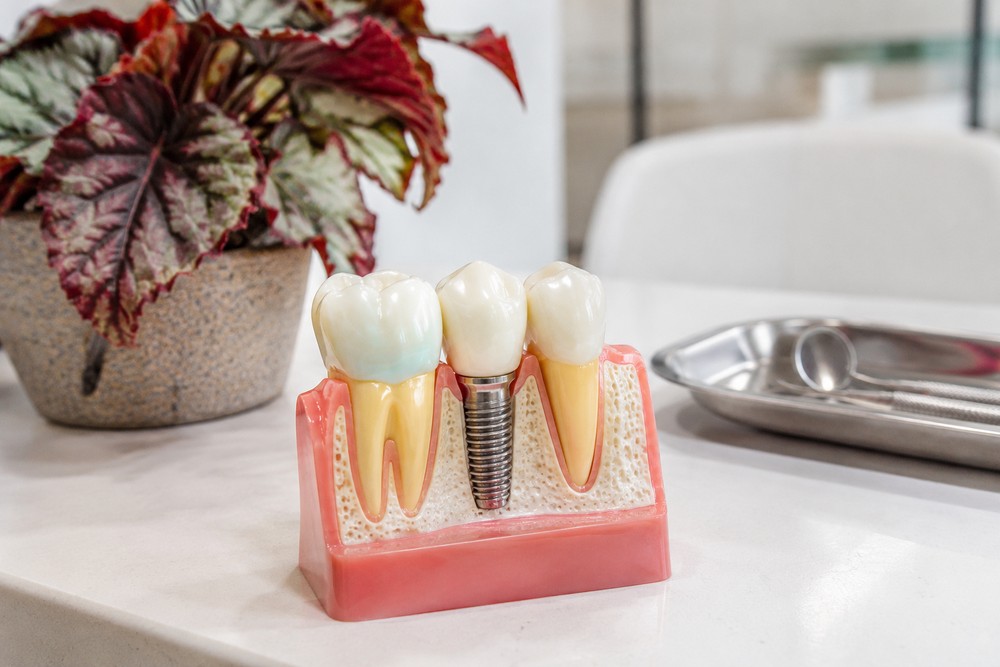
Implants are the only tooth replacement option that addresses this problem at its source. Dental implants are unique in that they replace the tooth root, allowing the jawbone to naturally heal and maintain its structure. By stimulating the bone through a process called osseointegration, where the implant fuses with the bone, implants help prevent bone loss, preserving both your facial structure and your oral health.
Research shows that patients with dental implants experience significantly less bone resorption compared to those who rely solely on traditional restorative options. You can learn more about how tooth loss affects bone density through resources like the American Dental Association’s overview of dental implants.
What to do: If a dentist has already mentioned bone changes during an X-ray, or if you’ve had a missing tooth for more than six months, ask specifically about bone density and whether you’re still a good candidate for implants without additional procedures.
3. Your Face Looks Sunken or Aged Around the Mouth
This one surprises people. They expect tooth loss to affect their smile. They don’t expect it to age their entire face. One of the most dramatic effects of tooth loss is how it changes your face. When teeth are missing, the jawbone starts shrinking because it’s no longer being stimulated by tooth roots. This bone loss can make your cheeks look sunken, create deep wrinkles around your mouth, and give you a prematurely aged appearance.
Dental implants are the only tooth replacement option that prevents this bone loss. The implant functions like a natural root, maintaining the health of your jawbone and preserving your facial structure.
What to do: If you’ve noticed a visible change in the shape of your cheeks or jaw since losing a tooth, mention it specifically to your dentist. Facial changes are a concrete sign that bone loss is already underway, and that information changes the treatment conversation considerably.
4. Your Dentures Are Slipping, Shifting, or Just Uncomfortable
Dentures are a reasonable solution in certain situations, but they come with a built-in problem that worsens over time. If you currently wear a removable denture or bridge and struggle with discomfort, slipping, or difficulty eating, dental implants may be a more stable solution. Traditional dentures can become loose over time due to jawbone shrinkage, requiring frequent adjustments or replacements.
If you currently wear dentures and find them uncomfortable, ill-fitting, or inconvenient, dental implants may be a more secure and comfortable alternative. Implants provide stability, preventing the slipping and irritation commonly associated with traditional dentures.
Slipping dentures aren’t just embarrassing. Missing teeth or an unstable prosthetic can cause you to avoid certain foods, chew on one side only, or notice your speech has changed with lisping or slurring. All of that adds up to a real quality-of-life issue.
What to do: If you’re adjusting your diet or avoiding social situations because of denture problems, that’s not normal and it’s not something you have to accept. Ask a dental professional whether implant-supported dentures or individual implants make sense for your situation. People exploring dental implants in indianapolis will find that modern treatment options include everything from single-tooth implants to full-arch solutions, often handled in one practice from start to finish.
5. A Tooth Is Severely Damaged or Decayed Beyond Repair
There’s a point at which a tooth can’t be saved, no matter how skilled the dentist or how advanced the technology. Sometimes a tooth is beyond repair with fillings, crowns, or root canals. If extraction is the only option, a dental implant can replace it, looking and feeling like a natural tooth and preventing further oral health issues.
Implants perform well in these situations because they remove the risk of future fractures and are designed to handle normal chewing forces while maintaining a natural look. Once the damaged tooth is removed, the space should be addressed quickly. The longer you leave it empty, the more the surrounding bone recedes.
Dental implants are a comprehensive solution as they replace both the root and the crown of the missing tooth. Unlike bridges or dentures, implants do not rely on nearby teeth for support, meaning the health of your surrounding natural teeth is preserved.
What to do: If your dentist has suggested an extraction, ask about implant placement in the same visit or shortly after. Some cases allow for immediate placement, which can reduce the total healing time significantly. The National Institute of Dental and Craniofacial Research provides solid background on the health implications of tooth loss if you want to understand the bigger picture before your consultation.
6. Your Teeth Are Loose or Actively Shifting
Adult teeth are not supposed to wiggle. If you notice your teeth becoming loose or shifting position, it could be a sign of advanced gum disease or bone loss. Both of those are serious conditions that go well beyond cosmetic concerns.
If your teeth are loose or shifting, it could indicate bone loss in the jaw. Dental implants can help stabilize your bite and prevent further bone deterioration by integrating directly into the jawbone, promoting long-term oral health.
Advanced gum disease is one of the leading triggers. Advanced gum disease is a leading cause of tooth loss. If you’ve lost teeth due to severe decay or gum disease, dental implants can replace the missing teeth and support a healthier smile. The key, though, is that gum disease typically needs to be treated and stabilized before implants can be placed successfully.
What to do: See a dental professional right away if you feel any looseness or notice your teeth shifting. Catching gum disease before it causes tooth loss gives you more treatment options. If teeth are already lost due to gum disease, ask about the timeline for implants once gum health is restored.
7. You’re Experiencing Chronic Bad Breath or Persistent Infections
Chronic bad breath that doesn’t respond to regular brushing and flossing is rarely just a hygiene issue. Chronic bad breath, persistent gum inflammation or bleeding even after brushing and flossing are not just hygiene issues: they may suggest underlying structure problems like exposed roots, failing teeth, or bacterial infiltration in gaps or under prosthetics.
Chronic tooth infections can spread to surrounding tissues and affect overall health if left untreated. When a tooth is failing or already missing, bacteria have a much easier time colonizing the surrounding gum tissue and bone. Replacing failing teeth or gaps with implants may remove the source of chronic oral health issues and restore a healthier environment in your mouth.
The broader connection between oral health and systemic health is well-documented. Resources like the CDC’s Oral Health resources explain how poor dental health connects to wider health concerns, which makes addressing recurring infections all the more urgent.
What to do: If antibiotics or regular dental cleanings haven’t resolved recurring infections around a specific tooth, that tooth may need to be extracted and replaced. Talk to your dentist about whether an implant would eliminate the source of the problem rather than treating the symptoms repeatedly.
The Bigger Picture
Every sign on this list points to the same underlying truth: tooth loss and dental damage are not isolated problems. Dental implants contribute to overall health. They allow for better chewing efficiency, which enhances digestion and nutritional absorption. When you can eat comfortably, you’re more likely to choose healthy foods.
Implants also help maintain proper alignment of surrounding teeth, which reduces the risk of other oral issues down the line. With improved oral function comes increased confidence, a factor that positively affects mental well-being as well.
The signs covered here, from visible gaps and shifting teeth to slipping dentures and chronic infections, each represent a specific point where getting a professional opinion could save you from a much more involved treatment plan later. If two or more of these signs feel familiar, that’s your cue to schedule a consultation and get a clear picture of where your oral health actually stands right now.