Washington, DC, has long been a place where people bring urgent local and national concerns into public view. The history behind the freedom march in Washington, DC shows how organized voices, clear demands, and broad coalitions can connect jobs, housing, education, voting, and civil rights to practical civic action. In 2026, a march, rally, vigil, town hall, or neighborhood forum can still help residents turn private frustration into shared purpose. But visibility is only the beginning. The most useful gatherings build relationships, set achievable goals, and provide a clear way for people to stay involved after the microphones are packed away.
Why Public Gatherings Still Matter
Public gatherings make an issue visible to neighbors, reporters, public officials, and people who may be experiencing the same problem alone. A gathering on the National Mall has a different scale from a meeting in Anacostia, Columbia Heights, or Ward 7. Still, both can create a shared sense that a concern deserves attention. Still, attendance alone does not deliver a policy change. Continued organizing, meetings, public testimony, and community education are what give an event a longer life.
From Concern To A Shared Agenda
Start by turning a broad complaint into a question that public institutions and community partners can answer. “Make housing fair” is important, but “expand access to safe, affordable rental housing” gives organizers something to research, discuss, and pursue. “Fix the schools” becomes more useful when it asks for a public plan for funding, staffing, student support, or building conditions. Limit the agenda to three or four priorities so speakers, volunteers, and attendees can repeat the same core message accurately.
Building A Strong Coalition
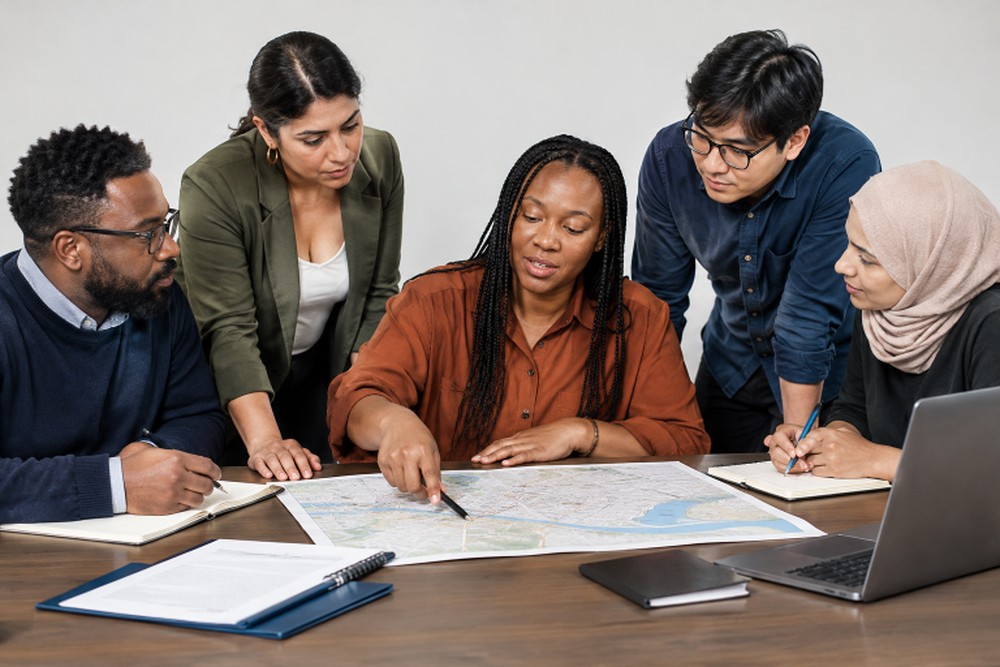
A strong DC coalition can include tenants, students, workers, faith communities, educators, artists, small businesses, and neighborhood organizations. People do not need identical stories to share a goal. When residents want to move from an event to official action, they can also testify before the Council in person, virtually, or in writing at a relevant hearing.
- Identify groups already working on the issue.
- Agree on the goals that everyone can support.
- Assign clear responsibilities for outreach, logistics, media, and follow-up.
- Use a fair process for decisions and disagreements.
- Share credit, information, and leadership opportunities.
Diversity strengthens a coalition when it is reflected in planning and decision-making, not only in the list of speakers. Ask who is missing from the room, what barriers they may face, and how their experience should shape the agenda.
Planning For Access, Safety, And Inclusion
Good planning makes civic participation more realistic for more people. Publish the time, meeting point, route or room, weather plan, expected end time, emergency contact, and participation guidelines well before the event. Consider transit access, restrooms, seating, water, shade, childcare, interpretation, large-print materials, and mobility access. Organizers planning an event in a public space should review how to obtain a special event permit and confirm which requirements apply to the chosen location and activity. Separate volunteer teams can reduce confusion. Assign people to accessibility, first aid, transportation, communications, de-escalation, and welcome tables. Safety planning should help people understand where to go for assistance without making attendees feel shut out or intimidated.
The Power Of Storytelling And Creative Expression
Facts explain an issue, while personal stories help people understand its human consequences. A speaker can describe a real experience, connect it to a broader challenge, explain why the issue is urgent, and outline one next step. Music, poetry, signs, murals, theater, and visual art can reinforce that message and make it easier to remember. Emotion is most effective when paired with accuracy. Avoid overstating claims. Use verifiable local examples, state the specific change being sought, and tell attendees exactly how they can participate.
Using Digital Tools And Local Relationships
Digital tools can quickly spread updates, recruit volunteers, collect RSVPs, and share accessibility information. Use one central page or account for official schedules and corrections, rather than asking people to search through scattered posts. Confirm claims before reposting them, especially when they concern public safety, election rules, funding, or public officials. Online attention fades easily when it is not connected to real relationships. Pair social posts with phone banks, doorstep conversations, neighborhood meetings, and follow-up invitations. Offer multiple roles, including research, design, translation, event support, child-friendly activities, and public comment writing.
Measuring Progress Beyond Crowd Size
A large crowd can create attention, but it is not the only sign of success. Within 30 days, organizers can review what happened and track:
- New volunteers and partner organizations
- Follow-up meetings held
- Public comments, petitions, or testimony submitted
- Meetings requested or held with decision-makers
- Public commitments, policy proposals, or media coverage
- Participation by people who are often excluded from civic spaces
Simple records help a group learn. If turnout was lower than expected, examine the date, location, transportation, outreach, language, and message before assuming people did not care.
Turning Energy Into Action
The days after a gathering determine whether its energy becomes momentum. Send a short thank-you, share verified photos and updates, invite people to a follow-up meeting, and assign a named owner to each major task and set a deadline. Report progress publicly, including setbacks. People are more likely to remain involved when they can see where their time and effort are going. Not everyone can attend every meeting or march. Offer practical options such as joining a neighborhood group, attending a school or advisory meeting, helping register voters, contacting an elected representative, or submitting written testimony. Small, repeatable actions can keep a coalition active while larger changes take time.
Questions Readers Often Ask
What Makes A Public Gathering Effective?
Effective events usually combine a clear purpose, accessible planning, trusted messengers, accurate information, and a specific follow-up plan.
Does A Large Crowd Guarantee Change?
No. A crowd can draw attention, but continued organizing and participation are needed to turn attention into a durable result.
How Can Young People Participate?
Young people can contribute through research, art, social media, public speaking, voter education, volunteer coordination, and local leadership.
How Can A Coalition Stay Together?
Use shared goals, clear roles, regular communication, fair recognition, and agreed ways to resolve conflict before it becomes a crisis.
Conclusion
Public gatherings in Washington, DC can turn shared concerns into meaningful civic action when they combine visibility with careful preparation, inclusion, evidence, and follow-through. Rallies, marches, community meetings, and public demonstrations give people opportunities to express their views, connect with others, and bring attention to issues that may otherwise receive limited public discussion. However, the impact of these gatherings depends on more than the number of people who attend. Clear goals, accessible participation, accurate information, and respectful communication can help turn a moment of public attention into a sustained effort. What happens afterward matters just as much: continued conversations, organized participation, stronger coalitions, communication with elected officials, and practical steps toward policy discussions and decisions. By maintaining public engagement and evaluating progress over time, communities can work toward solutions that reflect their concerns and improve everyday life.