The global beauty industry is dominated by legacy conglomerates with multi-million-dollar advertising budgets. For independent skincare, makeup, and hair care founders, competing on paid ad spend alone is a losing battle. Rising customer acquisition costs (CAC) on social media platforms make traditional paid advertising increasingly unsustainable for boot-strapped businesses.
However, smaller indie beauty brands hold a distinct structural advantage: agility, authenticity, and direct community connection. Today’s consumers are fatigued by generic corporate messaging and actively seek out transparent, purpose-driven brands. By focusing on high-impact strategies, small beauty brands can capture market share and cultivate passionate customer loyalty without draining capital reserves.
1. Niche Positioning: Owning a Specific Beauty Solution
Quick Answer: Small beauty brands stand out by targeting a hyper-specific skincare or cosmetic problem rather than trying to appeal to everyone with generic product lines.
Trying to be a “one-size-fits-all” beauty brand is the fastest way to get ignored. When legacy brands attempt to speak to every demographic, indie brands win by specializing deeply in an underserved niche.
Executing cost-effective cosmetic branding starts with solving a distinct pain point:
- Target Specific Conditions: Formulate products tailored specifically for hormonal acne, sensitive rosacea-prone skin, or post-workout skincare.
- Serve Underserved Demographics: Create cosmetics formulated for specific skin undertones or hair textures that traditional beauty giants overlook.
- Highlight Unique Hero Ingredients: Build brand identity around a single, ethically sourced hero ingredient with proven efficacy.
2. Unboxing and Sustainable Packaging as Silent Sales Representatives
Quick Answer: Thoughtfully designed, sustainable packaging creates memorable unboxing experiences that drive organic social sharing and repeat purchases.
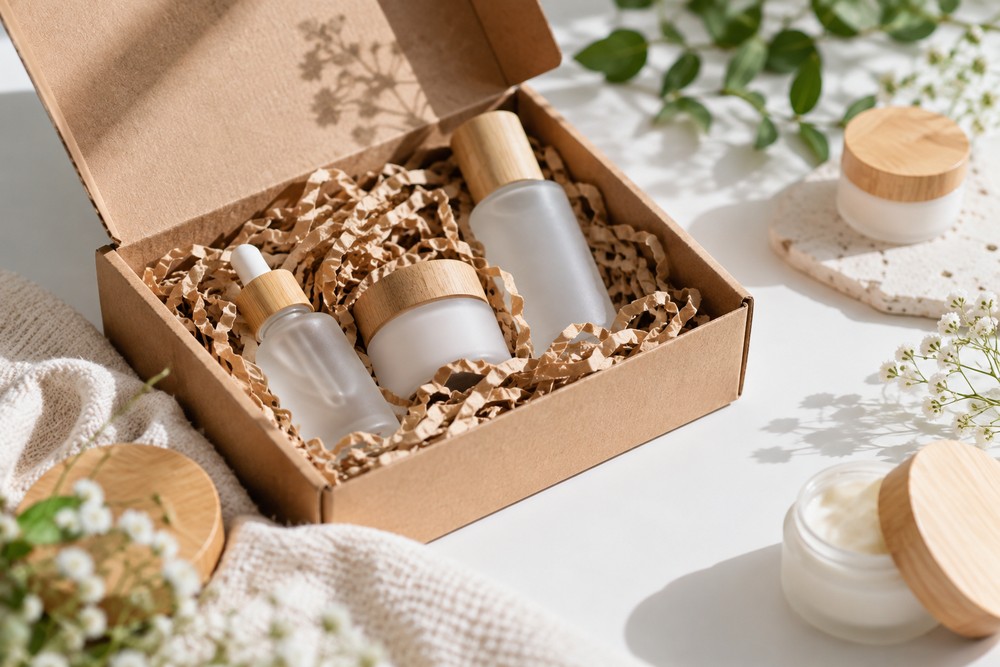
In the beauty sector, packaging is not just a container; it is the physical embodied promise of your brand. When consumers receive an online order, the unboxing moment serves as their first tangible interaction with your product.
Investing in premium, sustainable presentation elevates perceived product value without requiring massive ad campaigns. Modern beauty shoppers actively reward sustainability-focused companies. Partnering with suppliers for Eco Friendly Packaging Solutions allows boutique cosmetic lines to reduce environmental footprint, convey luxury aesthetics through recyclable materials, and generate organic user-generated content (UGC) as customers share unboxing videos online.
3. Micro-Influencer Partnerships Over Celebrity Endorsements
Quick Answer: Partnering with micro-influencers yields higher engagement rates and authentic trust at a fraction of the cost of mega-celebrity sponsorships.
Paying thousands of dollars for a single post from a celebrity influencer rarely delivers profitable return on investment for emerging beauty lines. Audiences have become skeptical of paid celebrity endorsements.
Leveraging micro-influencer beauty partnerships delivers far superior conversion efficiency:
- Focus on Niche Creators: Target beauty creators with 2,000 to 20,000 dedicated followers who consistently post about specific skincare routines or makeup techniques.
- Gifting Campaigns: Send personalized product PR packages to micro-creators in exchange for honest reviews and authentic tutorial content.
- High Engagement Rates: Micro-influencers foster tight-knit communities where followers actively purchase recommended products based on genuine trust.
4. Building Community and Storytelling on Organic Social Media
Quick Answer: Sharing behind-the-scenes founder stories, ingredient transparency, and educational content creates deep emotional bonds with consumers.
Big beauty corporations struggle to appear human. Founder-led indie brands, on the other hand, can leverage personal storytelling to build authentic trust. Consumers want to know who formulated the product, why the brand was founded, and what values drive the company.
Executing indie beauty brand marketing strategies requires an education-first content strategy:
- Show Behind-the-Scenes Processes: Share short-form video clips of lab testing, batch pouring, or packaging design iterations on TikTok and Instagram Reels.
- Educate on Ingredient Science: Demystify skincare chemistry by explaining what active ingredients do and why specific concentrations were chosen.
- User-Generated Reviews: Repost real customer before-and-after photos and testimonials to provide social proof.
5. Smart vs. Wasteful Indie Beauty Spending
| Marketing Approach | High-Cost Corporate Playbook | Lean Indie Beauty Playbook |
|---|---|---|
| Customer Acquisition | Expensive Meta & search ads | Organic short-form video & SEO |
| Influencer Strategy | Celebrity endorsements | Micro-influencer gifting & affiliates |
| Differentiator | Aggressive retail placement | Niche problem-solving & transparency |
| Packaging | Non-recyclable plastics | Eco Friendly Packaging Solutions |
| Retention | Generic mass email blasts | Community interaction & VIP SMS |
6. Myth vs. Fact: Scaling an Indie Beauty Brand
- Myth: Small beauty brands must be in major retail stores like Sephora or Ulta to succeed.
- Fact: Direct-to-Consumer (DTC) models allow small brands to retain higher profit margins, control customer relationships, and build sustainable revenue before seeking retail distribution.
- Myth: You need a 20-product lineup to launch a credible beauty brand.
- Fact: Launching with 1 to 3 exceptional “hero products” allows emerging brands to master quality control, manage inventory cash flow, and establish a clear market identity.
Frequently Asked Questions
How can a small beauty brand get customer reviews quickly?
Offer automated post-purchase email incentives, such as a 15% discount on the next order or entry into a giveaway, in exchange for leaving a verified photo or video review.
What is the most cost-effective social media platform for beauty brands?
TikTok and Instagram Reels offer the highest organic reach for beauty products due to visual video formats that demonstrate application techniques, textures, and real-time results.
Standing out in the crowded beauty market does not require competing with corporate ad budgets. By refining your niche positioning, elevating unboxing touchpoints with sustainable materials, cultivating authentic micro-influencer relationships, and telling transparent founder stories, emerging brands build enduring competitive advantages. Prioritizing organic trust and community engagement ensures your indie beauty line scales sustainably and profitably.