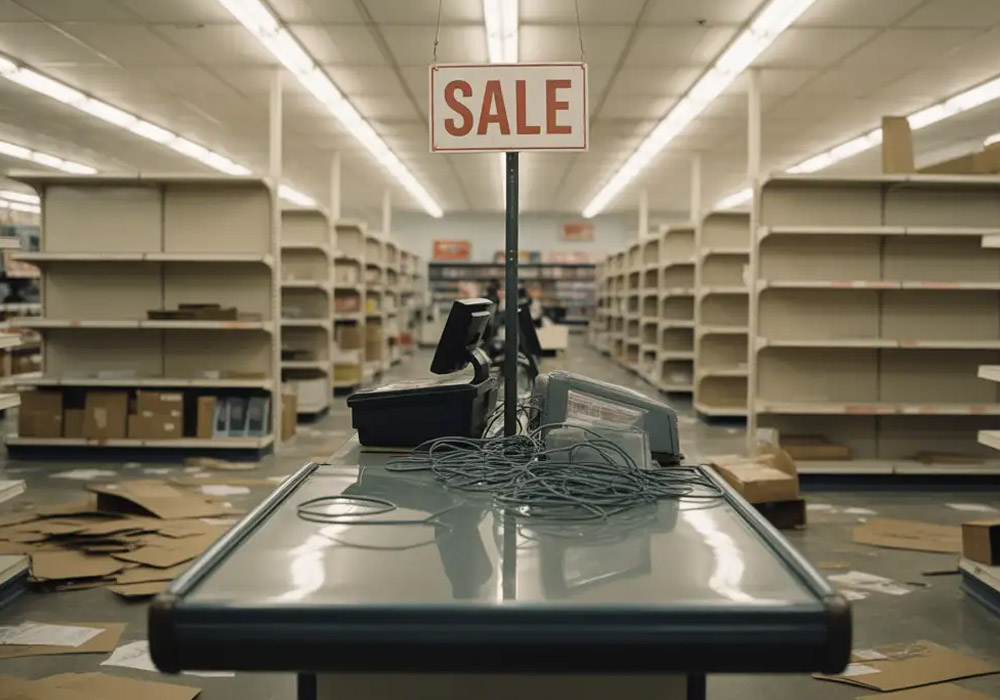
Retail refresh projects can generate a surprising amount of debris even when the store is not undergoing a complete renovation. Removing shelving, display cases, counters, signage, flooring, lighting, wall panels, cabinetry, and old merchandising fixtures can quickly fill back rooms, loading areas, and service corridors.
For contractors, the biggest challenge is often completing the work without disrupting surrounding tenants, customers, deliveries, or the store’s reopening schedule. Waste removal should therefore be planned alongside demolition, fixture removal, material deliveries, and installation. A well-organized system helps crews keep the space clear and prevents discarded materials from interfering with the next phase of the project.
Start With a Fixture and Material Inventory
Before removal begins, contractors should identify what is actually leaving the store. A small refresh may involve shelving and signage, while a larger project could include checkout counters, fitting rooms, display walls, flooring, lighting, ceiling components, and built-in cabinetry.
The inventory should distinguish between materials being discarded and items that will be reused, relocated, returned to the retailer, or sent elsewhere.
This prevents crews from accidentally throwing away fixtures that were supposed to be saved.
Identify the Main Waste Streams
Retail renovations can produce several different types of debris at once. Common materials include wood, metal, glass, laminate, drywall, flooring, plastic, packaging, and electrical components.
Contractors should establish basic sorting rules before demolition begins. Metal fixtures, reusable shelving, electronics, or certain lighting components may need separate handling.
A simple sorting plan keeps the main disposal stream more manageable and reduces confusion once several crews are working inside the store.
Coordinate Dumpster Placement with Store Access
The dumpster should be close enough to the project to minimize labor, but it should not interfere with customer entrances, emergency routes, loading docks, or neighboring businesses.
Working with Waste Removal USA can help contractors coordinate dumpster placement and service around active retail properties. Depending on the site, a rear service area, designated loading zone, or lower-traffic section of the parking lot may provide the best balance between access and disruption.
Placement should also account for how service trucks will reach the container once the property becomes busy.
Protect Customer and Employee Routes
Some store refresh projects happen after hours, while others take place in phases while the business remains open. In occupied environments, debris routes need to remain separate from customer traffic as much as possible.
Contractors should avoid moving bulky fixtures through main entrances during peak hours if another route is available. Service hallways, rear doors, and loading areas may offer better options.
When shared routes are unavoidable, timing becomes important. Fixture removal may need to happen before opening, after closing, or during slower periods.
Break Down Large Fixtures Before Moving Them
Retail displays are often bulky rather than extremely heavy. Long shelving units, counters, cabinets, wall systems, and display structures can be difficult to move through doorways or corridors in one piece.
Breaking them into manageable sections can reduce handling problems and make better use of dumpster space.
Contractors should disassemble fixtures in the work area when practical instead of moving oversized pieces through the store and breaking them down again outside.
Separate Reusable Fixtures Immediately
Retailers may want to save shelving, racks, display tables, signage hardware, cabinets, or other components for another location.
These items should be labeled or moved to a separate holding area before demolition progresses. Once reusable materials are mixed into a debris pile, they may be damaged or accidentally discarded.
Clear separation also prevents workers from repeatedly asking whether individual fixtures should stay or go.
Plan for Glass and Fragile Materials
Display cases, mirrors, glass shelving, and storefront components require more careful handling than ordinary construction debris.
Contractors should identify these materials before removal and determine the appropriate disposal or recycling method. Broken glass should not be allowed to spread through loading areas or mixed casually with other materials.
Containing fragile debris quickly helps protect workers and keeps traffic routes usable.
Coordinate Waste with Merchandise Removal
Retail fixture removal often occurs shortly after merchandise has been moved out of the renovation area. In some projects, inventory may still be stored in adjacent rooms or temporary sections of the store.
Waste routes should not pass through merchandise storage areas unnecessarily. Dust, sharp debris, and removed fixtures can damage products or packaging.
Contractors should coordinate with store management so inventory, new fixtures, and construction waste remain separated.
Keep Loading Docks Functional
Loading docks are often the most convenient locations for construction waste, but retailers may still need them for normal deliveries.
Before using a dock or service area for dumpster placement, contractors should review delivery schedules with store management.
A container should not block supplier access unless alternate arrangements have been made. If both activities need the same area, timing may need to be coordinated throughout the project.
Schedule Cleanup Around Demolition Phases
Fixture removal and demolition often create the largest waste volume early in the project. Contractors should plan to remove debris steadily instead of waiting until the entire store has been stripped.
Once shelving, flooring, counters, and wall systems begin accumulating, usable floor space disappears quickly.
Regular loading keeps demolition areas open and makes it easier for installers to begin measuring, repairing, and preparing surfaces for new fixtures.
Monitor Dumpster Capacity Closely
Retail refresh projects can fill containers quickly because many materials are bulky. Shelving, cabinets, display walls, pallets, and packaging may consume significant volume even when the materials are not especially dense.
Contractors should monitor capacity throughout removal rather than waiting until the dumpster is overflowing.
Scheduling service before the next major demolition phase helps prevent piles from forming in loading areas or behind the store.
Manage Packaging From New Fixtures
The waste stream changes once installation begins. Instead of old fixtures, crews may start generating cardboard, plastic wrap, foam, pallets, protective corners, and damaged packaging.
These materials can occupy large amounts of space if they are not broken down.
Contractors should include packaging cleanup in the installation process. Flattening boxes and removing wrapping regularly keeps work areas from becoming cluttered as new displays are assembled.
Coordinate with Sustainability Goals
Some retailers have established waste-reduction or recycling policies for renovation projects. Contractors may be asked to separate metal, cardboard, reusable fixtures, or other materials instead of sending everything into one disposal stream.
Planning retail waste management early gives crews clear instructions before work begins. It is much easier to separate materials during removal than to sort through a mixed pile later.
Contractors should confirm any client-specific requirements during preconstruction planning.
Protect Shared Shopping Center Areas
Retail projects frequently happen inside shopping centers where several businesses share sidewalks, parking, service alleys, or loading areas.
Debris should not spill beyond the construction zone or block neighboring tenants. Loose packaging and lightweight materials should also be secured so wind does not carry them across the property.
Keeping the surrounding area clean helps limit complaints and allows other businesses to continue operating normally.
Coordinate Cleanup With Inspections
Store refreshes may require electrical, building, fire, or other inspections before reopening.
Contractors should clear debris from panels, exits, utility areas, and inspection routes before those visits. Removed fixtures and packaging should not block equipment that needs to be reviewed.
A cleanup checkpoint before inspection also gives the contractor an opportunity to identify unfinished work.
Keep Service Access Open
Dumpsters can become difficult to reach as a project progresses. Contractor vans, pallets, delivery trucks, new fixtures, and trailers may gradually fill the service area.
The dumpster pickup route should remain protected. Crews should know which areas cannot be used for parking or staging.
Before a scheduled pickup or swap, someone should confirm that the truck can access the container without requiring a last-minute rearrangement of the site.
Plan for Overnight and Fast-Turn Projects
Some retail refresh projects operate on extremely compressed schedules. Contractors may work overnight or during a short closure so the store can reopen quickly.
In those situations, waste removal needs to keep pace with production. A full dumpster at 2 a.m. can disrupt the entire overnight schedule if crews have nowhere to put debris.
High-speed projects should have service timing coordinated in advance, especially when demolition and installation happen within the same short window.
Keep Finish Areas Clean
As new flooring, counters, shelving, and displays are installed, contractors should gradually reduce the amount of debris moving through completed areas.
Routes may need to change once sections of the store are finished. New fixtures should not be exposed unnecessarily to broken materials, dust, or packaging from other work zones.
Cleanup should become more controlled as the project moves toward reopening.
Schedule Final Pickup After Punch-List Work
The main fixture removal may be complete days before the project actually ends. Finish crews can still generate packaging, trim scraps, damaged components, and other waste during final installation.
The dumpster should remain available until the last significant debris-producing work is complete.
Before final pickup, contractors should inspect the loading area, back rooms, service corridors, parking lot, and work zones for leftover materials.
Avoid Common Retail Cleanup Mistakes
One common mistake is underestimating how much space bulky retail fixtures will occupy. Another is mixing reusable displays with general debris before store management has confirmed what should be saved.
Contractors should also avoid blocking loading docks, allowing packaging to spread through the site, or waiting until the dumpster is full before scheduling service.
A better strategy is to treat waste removal as part of the fixture-removal and installation sequence from the beginning.
Waste removal planning for retail fixture removal and store refresh projects requires coordination between contractors, store management, property managers, and service providers. Fixtures, flooring, displays, packaging, and other debris need to move out efficiently without interfering with customers, deliveries, neighboring tenants, or the reopening schedule.
By identifying waste streams early, separating reusable materials, protecting loading and pedestrian areas, monitoring dumpster capacity, and coordinating cleanup with demolition and installation, contractors can keep retail refresh projects organized. A strong waste plan helps crews move from the old store layout to the new one without allowing discarded materials to slow the transition.