A summer heat spike is the worst time to discover your air conditioner is underperforming. Before frustration turns into an emergency call, a few safe, simple checks can reveal whether the issue stems from airflow, refrigerant flow, or a control problem. This guide explains how to read symptoms at your vents, thermostat, and equipment; what you can and cannot do without tools; and when to shut the system down to protect the compressor.
Match Common Symptoms to Likely AC Issues
If supply registers barely push air, the thermostat never reaches setpoint, or the outdoor unit starts and stops quickly, you likely have airflow restriction, an electrical control fault, or refrigerant problems. Ice on the suction line or evaporator coil, water around the air handler from an overflowing condensate pan, or a breaker that trips at the condenser each point to different roots: frozen coil from low airflow, a clogged condensate drain triggering a float switch, or a compressor that has difficulty starting and draws high current.
Warm air from the vents with the outdoor fan and compressor running can indicate a dirty condenser coil shedding heat poorly, a failed condenser fan motor, or low refrigerant charge reducing heat absorption in the evaporator. By contrast, no outdoor operation while the indoor blower runs can suggest a tripped disconnect, a failed contactor or capacitor, or a safety switch open due to a full drain pan. If you experience repeated breaker trips or hear hissing near the indoor coil, stop restarting the system and arrange professional diagnostics; see resources such as https://quality-hc.com/ac-repair-in-sapulpa-ok/ for local service information.
When unexpected mechanical issues arise during a heatwave, having access to local technicians ensures fast response times and accurate repairs. Regional climate challenges often mean systems work harder, making proper evaluation essential for long-term reliability. Property owners seeking professional assistance can visit our Baton Rouge location to consult with technicians who understand how local weather conditions impact overall cooling performance and system efficiency.
Quick, Safe Checks You Can Do in Minutes
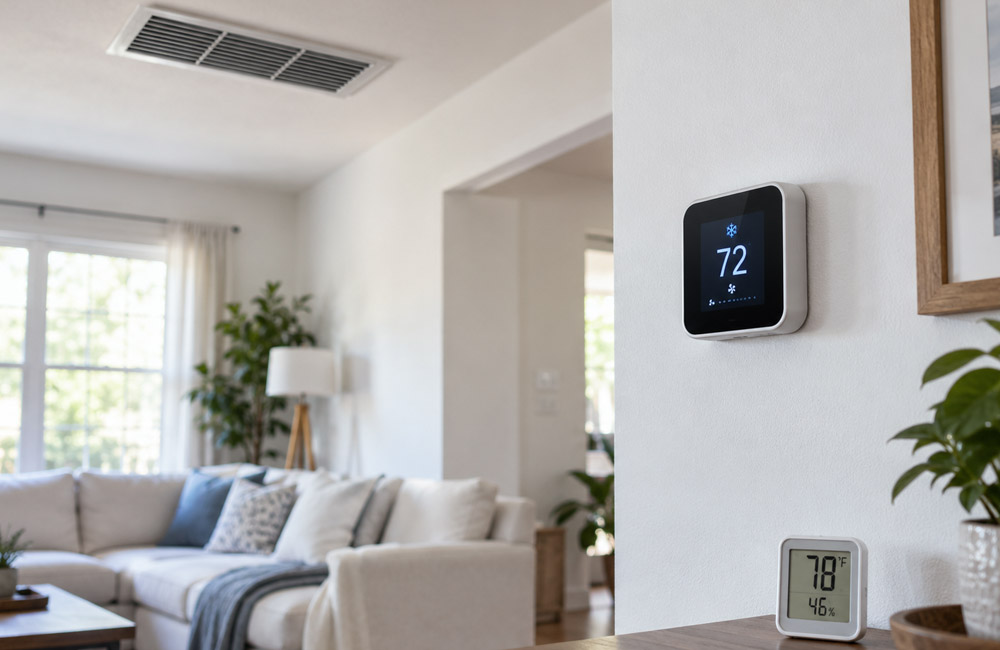
Start at the filter. A clogged filter raises static pressure, starves the evaporator coil of air, and can cause freezing. Replace it with a clean filter of an appropriate MERV rating; higher MERV filters capture finer particles but can restrict airflow in systems not designed for them. Make sure return grilles aren’t blocked by furniture, and open all supply registers; closing too many to “force” air to one room can increase pressure, reduce total airflow, and cause coil icing. Confirm the thermostat is set to Cool, the fan is on Auto, and its batteries (if present) are fresh.
At the outdoor unit, clear grass clippings and debris from the condenser coil and maintain at least two feet of clearance on all sides for proper airflow. With power off at the disconnect, gently rinse the exterior fins from top to bottom using a garden hose on a low-pressure setting; avoid bending the fins and do not open the cabinet. If you see frost on the refrigerant lines or coil, switch the thermostat to Off and set the fan to On to help the ice melt before trying again. At the air handler, look for a small float switch near the condensate pan; a clogged PVC drain line can lift the float and shut the system down. If you find an accessible cleanout, a wet/dry vacuum at the drain termination outside can often clear a blockage. Always cut power before working near water.
Two Real World Scenarios and What They Suggest
Scenario one: The indoor blower runs, but outside you hear a hum, the top fan doesn’t spin, or it starts then stops within seconds. This pattern often points to a failing run capacitor or a contactor that is not holding. Continuing to force starts can overheat or damage the compressor. Shut the system down at the thermostat and the outdoor disconnect. A technician can safely test the capacitor’s microfarads, check voltage to the contactor coil, and verify compressor amp draw before restoring operation.
Scenario two: Downstairs is comfortable, but the upstairs never cools in the afternoon, and indoor humidity feels high. The system may have enough cooling capacity, but poor airflow balance or duct leakage in a hot attic is undermining delivery. Partially closed dampers, an undersized or clogged second-floor return, or unsealed duct joints can all reduce airflow where you need it. Open any dampers on branch runs serving upstairs rooms, replace the filter, and confirm returns are unobstructed. A technician can then measure total external static pressure, adjust blower speed taps, seal ducts, and evaluate whether the evaporator and thermostatic expansion valve (TXV) are metering refrigerant correctly. An oversized system can also short cycle, briefly cooling without dehumidifying adequately; equipment that is too large removes less moisture and can leave spaces sticky despite low temperatures.
When persistent airflow issues or hot spots remain difficult to resolve with traditional central ductwork, alternative layout options can offer targeted relief. Installing independent ductless wall units helps deliver targeted temperature control directly to problem zones without forcing extra workload on the main system. Homeowners managing challenging layouts often look into ductless AC installation in Savannah to restore balanced comfort in sunrooms or upper levels.
When to Power Off and Call a Professional
Knowing when to stop troubleshooting protects the most expensive component: the compressor. Shut the system down if the suction line or evaporator coil is iced over, the outdoor breaker trips repeatedly, you smell burning at the air handler, you see oil stains near refrigerant service valves, or the unit runs loudly with metallic or grinding sounds. Running with low airflow or low refrigerant can overheat the compressor, while restarts against a locked rotor can stress windings and damage contactors. If icing occurs, let the system thaw fully with the blower on before any restart attempt, and only after you address the root cause.
Professionals bring tools and procedures homeowners should not attempt. Expect a qualified technician to measure superheat and subcooling to assess charge, verify TXV operation, and inspect the evaporator and condenser coils for heat transfer issues. They will test the run capacitor and motors electrically, check the contactor for pitted contacts, measure blower amp draw, and compare static pressure readings to the blower performance chart. They may also perform leak detection, evacuate and weigh in refrigerant per manufacturer specifications, and clear or treat the condensate line. Refrigerant handling requires EPA certification, and opening cabinets or electrical compartments is not a safe DIY step.
Seasonal transitions often reveal underlying equipment issues before extreme weather arrives. While summer troubleshooting focuses on airflow and cooling coils, preparing for colder months requires similar attention to furnace components and heat exchangers. Consulting a specialist like https://www.theacguysinc.net/services/heating-repair for heating repair ensures the entire system operates safely year-round, addressing igniter wear, airflow imbalances, and thermostat calibration before minor mechanical flaws turn into complete system outages.
Prevent the Next Outage With Small, Consistent Habits
Check filters monthly during peak cooling and replace them before they look loaded. Choose a MERV rating your system can handle to balance filtration with airflow; going too restrictive can create more problems than it solves. Vacuum return grilles, keep two feet of clearance around the condenser, and gently rinse its fins at the start of the season. If your air handler has a condensate cleanout tee, periodic flushing with a small amount of distilled vinegar can help discourage algae growth; never pour harsh chemicals into the drain. Consider protecting sensitive control boards with appropriate surge protection if your area experiences frequent electrical storms.
Program your thermostat for steady, reasonable setpoints instead of large, frequent setbacks that force long recovery runs in late afternoon heat. When a room consistently struggles, resist the urge to close vents elsewhere; ask a technician to evaluate duct balance, seal leaks, and confirm the blower speed and coil cleanliness support proper airflow. During a routine tune-up, have them verify the charge, test the capacitor, inspect the contactor, check the condensate safety switch, and record the temperature split across the coil. Small adjustments to airflow and drainage can prevent icing, short cycling, and no-cool calls. With a few safe checks and clear DIY boundaries, you can protect your system while getting faster, more accurate help when you need it.