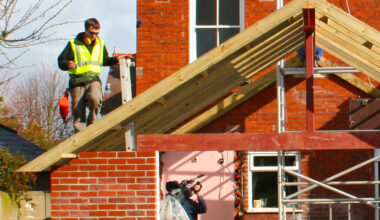
Construction sites change fast. Crews remove ladders, re-erect scaffolds, and backfill trenches as the workday moves on. If you are hurt on a Pennsylvania jobsite, the hours immediately after the incident often determine which facts you preserve and which you lose. Evidence like scaffold tags, a broken ladder foot, a missing guardrail, or inadequate trench shoring can disappear under cleanup or routine progress. This article focuses on practical, safety-forward steps for documenting conditions, identifying who controlled the hazard on a multi-employer site, and preserving records that connect the mechanism of injury to medical findings. It is not legal advice, but it outlines what seasoned construction litigators look for so you can make informed choices while you heal.
Photographing the Scene Before It Changes
Once emergency care is underway and the area is safe to approach, photos and short video from multiple angles can capture details that are easy to overlook later. Aim wide and then move in: the full scaffold bay, the deck’s edge, the ladder’s top cap and feet, the anchor point and lanyard, the warning lines, and the ground surface where you fell. If you work in a small community like Newfoundland in northeastern Pennsylvania, a neighbor or coworker may be willing to take these photos while you head to treatment; if questions arise later, a Newfoundland Construction Injury Lawyer can use those images to understand how the hazard developed and who had control.
One common mistake is moving equipment before documenting it. For example, a fiberglass ladder that slipped on gravel may have worn or missing rubber feet, and a quick “straighten up” by a well-meaning foreman can erase the evidence that explains the fall. The same goes for scaffold planks without toe boards, or a trench where spoil piles were set too close to the trench wall. If you must correct a hazard to protect others, take clear, timestamped photos first, including any scaffold inspection tags, manufacturer labels, and weather or lighting conditions.
Reports, Medical Records, and Safety Logs to Request Early
Report the injury to your employer promptly so they create an incident report. Ask for a copy if company policy allows, and note the report’s date, the foreman’s name, and the specific mechanism described. Early medical records matter too. Emergency room notes, imaging results, and discharge instructions often include how the injury happened, which can tie a torn rotator cuff to a sudden ladder slip or connect a crush injury to a trench collapse. Keep every document: ER wristbands, medication lists, and work status notes can help align the timeline.
Jobsite paperwork is equally valuable. If you can, request or note the existence of daily reports, toolbox talk sign-in sheets, Job Hazard Analyses (JHAs), and the site safety plan. OSHA 300/301 logs, if accessible through your employer, can show similar incidents on the project. These records can reveal whether fall protection was planned for roof work, whether a lift plan existed for a tight crane pick, or whether the crew received trench safety training the morning of a cave-in.
Multi-Employer Sites: Contracts, Control, and Who May Share Fault
On many Pennsylvania projects, several entities influence safety: the general contractor establishes site rules, subcontractors supervise their own crews, an equipment rental company maintains lifts, and the property owner may control access or scheduling. Liability often turns on who controlled the hazard. A subcontract agreement with a “means and methods” clause, a crane rental agreement with operator certification requirements, or a general contractor’s safety manual can show who was responsible for guardrails, tie-off points, traffic control, or trench shoring.
Consider a utility crew trenching for water service. The excavation subcontractor may own the trench box, but the general contractor might dictate trench depths and production rates. If the trench wall sloughed because spoil piles were stacked at the edge to hit a schedule, daily progress emails and superintendents’ diaries can connect that production pressure to unsafe shoring. The trade-off is practical: you need to keep the project moving, but aggressive pacing without adequate protective systems raises risk and potential shared responsibility.
Witness Accounts and the Digital Paper Trail
Quickly identify coworkers and third parties who saw the hazard before or after the incident. Ask for names, trades, and the companies on their hard hat stickers. Short, factual statements about what they observed can be more reliable now than weeks later. Don’t forget the digital trail. Timekeeping apps that log clock-in locations, GPS data from fleet trucks, text messages coordinating deliveries, and site cameras or drone footage can all fix where people and equipment were at specific times.
Digital data is perishable. Security systems overwrite footage, rental companies cycle telematics logs, and group chats get deleted. A prompt evidence-preservation request, sometimes called a spoliation letter, can ask companies to retain lift maintenance records, access logs, and camera video—and note who received the request and when. Even if you do not send it yourself, documenting that these sources exist can help counsel later secure them before they disappear.
Preserving Evidence Without Creating New Problems
Protect the integrity of items you keep. If your hard hat cracked or your harness tore, store it in a clean bag and note the date and where you found it. Avoid “testing” equipment on your own, which can alter its condition. Maintain a simple chain of custody: who handled the item and when. Be cautious with social media. Photos or comments taken out of context can be used to dispute severity or argue that the event happened differently. Likewise, giving a recorded statement to a third-party insurer before you have your medical facts can lock in a partial or imprecise account.
Continue preserving the story as you heal. Keep copies of medical bills, physical therapy notes, and work restrictions. A brief daily journal capturing pain levels, limitations with specific tasks like climbing stairs or lifting a tool bag, and missed workdays ties your initial mechanism of injury to real functional losses over time. If you return to light duty, note the tasks you are assigned and any modifications, such as no ladder work or no overhead reaching. This practical record helps bridge the gap between jobsite conditions and long-term impact.
What you capture in the first 72 hours after a construction injury often determines which facts remain available months later. Photos of a missing mid rail, a copy of a JHA that skipped fall protection, or a witness who recalls a trench without a ladder can all matter. Use common sense: safety first, then work methodically: document the scene, request core records, identify who controlled the hazard, and preserve the digital trail. While every case is different, a careful approach built on real-world evidence gives doctors, insurers, and, if needed, a court a clear view of what happened and why it matters.