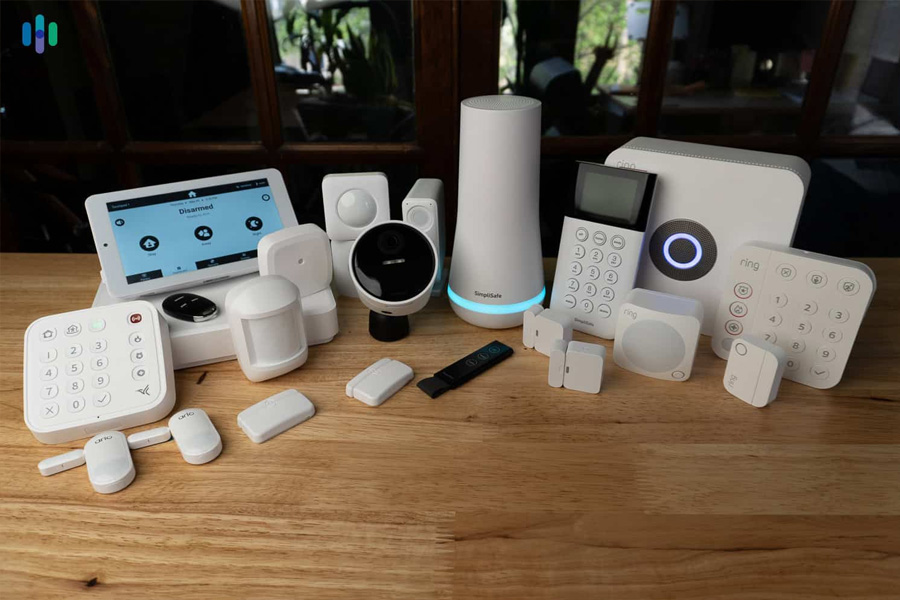
An alarm nobody hears is just noise in an empty building. That is the real question sitting behind this whole topic. A siren alone does not call the police; a monitored system does. Security alarm monitoring services connect that siren to a live person who checks the alert and calls for help, often within 30 to 60 seconds. Commercial burglaries tend to drop sharply in buildings with monitored alarms compared to silent, unmonitored ones. The cost question is fair. Here is the real math behind it.
What You’re Actually Paying For
A monitoring fee is not for the alarm box sitting on your wall. It pays for a person awake at 3 a.m. watching your building’s signal feed. Most commercial monitoring runs between 40 and 100 dollars a month, depending on the number of zones covered and whether video verification is included. Compare that small monthly number to the average commercial burglary loss, which often climbs well past 4,000 dollars once stolen stock and broken entry points get added up.
Monitored vs Unmonitored Alarms
| Feature | Unmonitored Alarm | Monitored Alarm |
| Police dispatch | Depends on a neighbour hearing it | Automatic, through the monitoring centre |
| Response speed | Minutes to hours | Usually under 60 seconds |
| False alarm handling | No verification step | Operator confirms first |
| Insurance discount | Rarely offered | Often 5 to 20 percent off premiums |
| After-hours coverage | None | 24 hours, every day |
False Alarms Are the Real Cost Trap
Councils fine businesses for repeated false alarms, and those fines climb fast after the second or third call-out. A good monitoring service rings the business first to confirm trouble before ever dialling the police, which cuts false dispatches by a wide margin. This one step alone can be worth the monthly fee on its own.
Signs Your Property Needs Monitoring, Not Just an Alarm
- You store cash or high-value stock overnight
- Your building sits empty for long stretches
- You’ve had a break-in or a near miss before
- Your insurance provider asks for monitored coverage
- You manage the site remotely and can’t check it yourself
Video Verification Changes Everything
Standard alarms only know a sensor was triggered, not why. Add cameras to the mix and an operator can actually see whether a door was kicked in or just blown open by wind. Police forces in several states now prioritise verified alarm calls over unverified ones, which means video-backed monitoring gets a faster response than a bare siren ever will.
The Real Return Shows Up After an Incident
Nobody notices monitoring during a quiet month, and that is exactly the point. The value shows up on the one night something goes wrong, when a call goes out before a single item leaves the building. That timing difference is the entire reason this service exists.
Contract Length and Equipment Ownership Matter
Some monitoring providers lock businesses into long contracts and keep ownership of the alarm panel itself, which makes switching providers later a real headache. Ask upfront who owns the hardware once the contract ends, and whether the panel works with a different monitoring company if you ever want to switch. A fair provider answers this question without hesitation. One that dodges it is telling you something, even if the sales pitch sounds great. Read the cancellation clause before signing anything, not after, since that single paragraph decides how stuck a business is if the service ever disappoints.