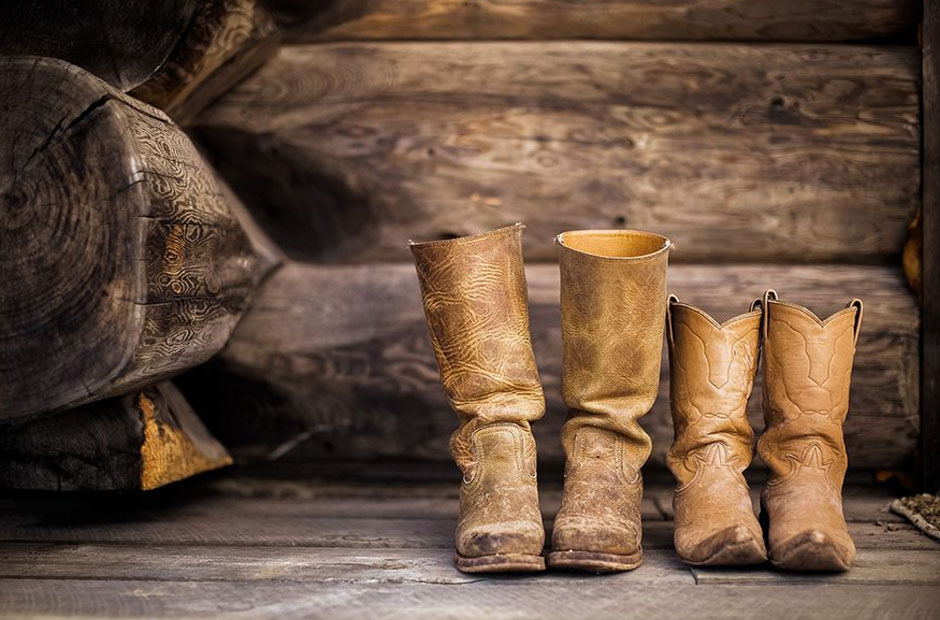
Cowboy boots are more than pointed-toe leather shoes. Small architectural constructions for your feet, including a foundation, supporting walls, flexible upper portions, and a gravity-defying heel. The requirements of horsemen, ranch workers, and travelers shaped the boots, but they went beyond the barn. They now appear at concerts, weddings, workplaces, trail rides, and other areas where people want to make an appearance with confidence.
Well-made pairs mix style and functionality. The leather must move without collapsing, the sole must grip without feeling like a tractor tire, and the shaft must keep upright with leg room. All parts work. Together, those parts create a boot that feels secure, ages well, and gets more comfortable with wear.
Why Cowboy Boots Have a Distinctive Shape
The traditional cowboy boot was shaped around life in the saddle. A raised heel helped keep the rider’s foot from sliding through the stirrup, while the tall shaft offered support and protection from brush, dust, and occasional encounters with insects that clearly had not read the rules of polite society.
The pointed or rounded toe also served a practical purpose. It made it easier for the foot to enter a stirrup. Modern toe shapes offer more variety, but the familiar profile remains part of the boot’s identity. A square toe may provide more room across the front, while a narrow toe creates a sharper, dressier appearance. A round toe often sits comfortably between the two, offering a traditional look without making your toes feel like they have been packed for a long journey in a tiny suitcase.
The shaft is another distinguishing feature. It supports the boot above the ankle. Along the shaft, decorative stitching is used for more than ornamentation. Stitching reinforces and gives the boot rhythm. A boot can tell a tale with floral themes, geometric shapes, and Western symbols.
Reading the Anatomy of a Cowboy Boot
Understanding the major sections of a boot makes shopping less mysterious. Instead of seeing one tall piece of leather, you can recognize a collection of components working as a team.
The vamp covers the top and sides of the foot. This section must fit closely enough to prevent excessive movement but should not squeeze the toes. It is often the area that stretches and molds most noticeably during the break in period.
The shaft surrounds the lower leg. Its height can vary, and its opening should feel secure without cutting into the calf. Pull straps or pull tabs make it easier to put on the boots, especially when the leather is new and still determined to behave like a stiff piece of furniture.
The heel affects posture, balance, and riding performance. Riding heels are often taller and more defined, while walking heels may be lower and broader. A heel that looks impressive but makes every step feel like a negotiation with a staircase is probably not the right choice for daily use.
The outsole provides contact with the ground. Leather soles offer a smooth, classic appearance and may feel comfortable indoors, while rubber soles can provide extra traction in wet or uneven conditions. Some boots combine materials to balance flexibility, durability, and grip.
The boot liner and insole affect comfort. An insole supports the foot and a soft lining reduces friction. Though cushioning feels good right away, fit is more important than puffiness. Boots should support the foot, not be beanbags.
How Skilled Construction Changes Performance
Construction determines how a boot handles pressure, moisture, movement, and time. One common approach attaches the upper, welt, and sole in a way that creates a strong connection around the edge of the boot. This type of construction can make resoling possible, which is valuable when the upper remains in good condition but the outsole has worn down.
Stitching patterns must be consistent and firmly placed. Loose or uneven stitches can allow the boot to weaken in high stress areas. Traditional pegging also remains important in some styles. Small wooden pegs are driven through parts of the sole and foot area, creating a secure bond. The process requires patience and accuracy. A careless peg is not charmingly rustic. It is simply a future problem wearing a tiny disguise.
Many makers still rely on handwork for shaping, trimming, hammering, and finishing. Modern machinery can improve speed and consistency, but experienced hands are valuable when fitting leather around curves. Leather is a natural material with variations in thickness, grain, and flexibility. It does not always behave like a perfectly obedient sheet of paper.
The strongest boots usually show care in places that are easy to overlook. Edges are finished smoothly, the heel is seated evenly, the sole is attached without gaps, and the upper holds its shape. These details may not shout for attention from across the room, but they become obvious after months of wear.
Choosing Leather With Purpose
Cowhide remains a popular choice because it offers durability, flexibility, and a broad range of finishes. It can appear rugged, polished, distressed, or richly colored. With use, quality cowhide often develops a patina, meaning it gains character rather than simply looking old.
Calfskin is generally lighter and smoother, giving boots a refined appearance. It may suit dressier settings, especially when the finish is clean and understated. However, a delicate surface may require more careful handling than a thick work boot leather.
Exotic leathers create a different visual effect. Caiman may show a bold scale pattern and a formal presence, while ostrich is known for its distinctive quill marks and supple feel. Fish leather, including pirarucu, can display unusual patterns that make each pair look like it has been introduced to the concept of camouflage but decided to become famous instead.
The right material depends on how the boots will be used. A pair intended for muddy chores needs a different level of toughness than one reserved for celebrations. No leather is magical. Even excellent material benefits from cleaning, conditioning, and protection from prolonged moisture.
Finding a Fit That Works
New cowboy boots should fit snugly across the instep. This part supports the foot, and leather may relax with use. In new shoes, the heel may lift slightly during the initial steps. Some mobility is natural, but excessive slippage indicates a bad fit or shape.
Your toes should have room to move. They should not press against the front or feel squeezed from the sides. Walk on a firm surface and pay attention to pressure points. If the boot pinches sharply in one place, it may not become a perfect fit through optimism alone.
The shaft opening should allow the boot to slide on without a wrestling match. At the same time, it should not feel so loose that the boot shifts dramatically around the leg. Socks can change the experience, so try boots with the kind of socks you expect to wear regularly.
Different feet prefer different lasts, which are the forms used to shape the boots. Two pairs marked with the same size may feel surprisingly different because their lasts vary. This is why measurements help, but actual movement and comfort matter just as much.
Matching Style to Everyday Life
Simple brown boots go with jeans, canvas pants, and casual shirts. Black leather looks sharper and goes nicely with dress clothes. Decorative stitching, contrasting shafts, and bolder colors give individuality, while a basic pattern highlights the silhouette.
For long periods of walking, consider a stable heel and a sole with dependable traction. For riding, prioritize a heel that works securely with stirrups and a shaft that provides appropriate support. For formal occasions, smooth leather and restrained details may look more polished than a heavily distressed finish.
Best style isn’t always loudest. Because they go with everything, quiet pairs sometimes get the most wear. Sometimes a bold pair with dramatic stitching is perfect. Cowboy boots can be practical on Tuesday and extravagant on Saturday.
Caring for Leather Boots
Dirt should be removed before it settles into the leather. A soft brush or cloth can clear away dust, while a suitable leather cleaner helps with more stubborn marks. Conditioner should be applied sparingly. Too much can soften the leather excessively or leave the surface greasy.
Wet boots should dry naturally at room temperature. Direct heat can cause leather to shrink, crack, or become stiff. Stuffing the shafts and foot sections with clean paper can help them hold their shape while drying. Storing boots upright also prevents deep creases from forming in the shaft.
The soles and heels deserve attention as well. Uneven wear can affect balance and comfort. Replacing worn components before the damage spreads may keep the rest of the boot in service for much longer. A cared for pair can develop a handsome, lived in appearance without becoming a museum exhibit for neglect.
FAQ
Are cowboy boots comfortable for walking
They can be comfortable when the size, last, heel, and insole suit your feet. A proper fit is more important than the boot’s appearance. New leather may feel firm at first, but it often becomes more flexible as it warms and shapes to regular movement.
Should cowboy boots feel tight when they are new
They should feel secure around the instep but should not cause sharp pain or numbness. The toes need space, and the heel should not slide dramatically. Leather may loosen slightly, but a serious pressure point is unlikely to transform into comfort through sheer determination.
Which toe shape offers the most room
Square toe designs often provide more space across the front, although the exact amount depends on the boot’s last. Round toe styles can also be comfortable for many feet. A pointed toe may feel narrower, especially if your forefoot is broad.
Can cowboy boots be resoled
Many quality boots can be resoled, particularly those built with repairable welted or stitched construction. The condition of the upper, welt, heel, and foot structure also matters. A worn sole does not automatically mean the entire boot has reached retirement.
How long does it take to break in cowboy boots
Break in time varies by leather, construction, and foot shape. Some boots soften within several wears, while heavier leather may need longer. Short wearing sessions at first can help the material adapt without creating painful blisters.
Are exotic leather boots difficult to maintain
They may require more specific care than ordinary cowhide. The texture and finish can respond differently to cleaners, conditioners, moisture, and heat. Using products designed for the particular leather helps preserve its appearance and flexibility.