Modern homeowners are increasingly interested in living spaces that offer comfort, functionality, and attractive design without demanding constant attention. As work schedules become busier and personal priorities evolve, the idea of spending every weekend cleaning, repairing, and organizing a property has become less appealing.
Low-maintenance homes offer an alternative by combining durable materials, practical layouts, efficient appliances, and thoughtful storage solutions. Rather than eliminating household responsibilities, these features make everyday tasks easier to manage while reducing the need for frequent repairs and complicated upkeep.
This approach is influencing everything from apartment design to suburban home renovations. Homeowners are paying closer attention to how materials perform over time, whether spaces are easy to clean, and how different rooms support daily routines. The result is a growing preference for properties that provide lasting convenience without sacrificing comfort or personal style.
Easy-to-Clean Surfaces Are Becoming a Design Priority
Flooring, countertops, and other frequently used surfaces have a significant influence on household maintenance. Materials that require specialized treatments or frequent repairs can create additional responsibilities, particularly in busy family homes.
Porcelain tile, suitable laminate flooring, and durable countertop materials are popular choices because they combine visual appeal with relatively straightforward cleaning requirements. Their practicality makes them attractive in kitchens, hallways, and other spaces that experience regular activity.
Homeowners can also simplify their routines by choosing cleaning equipment suited to their surfaces. Products available through US Cleaning Tools provide options for managing different cleaning responsibilities, making it easier to maintain floors and other areas without relying entirely on time-consuming manual methods.
The most practical approach considers surface materials and maintenance equipment together. Choosing compatible products and following appropriate care instructions can help preserve finishes while keeping routine household cleaning manageable.
Smart Layouts Reduce Everyday Household Work
A home’s layout influences how easily residents move between rooms, organize belongings, and complete routine tasks. Complicated floor plans with awkward corners and unnecessary obstacles can make cleaning and organization more demanding.
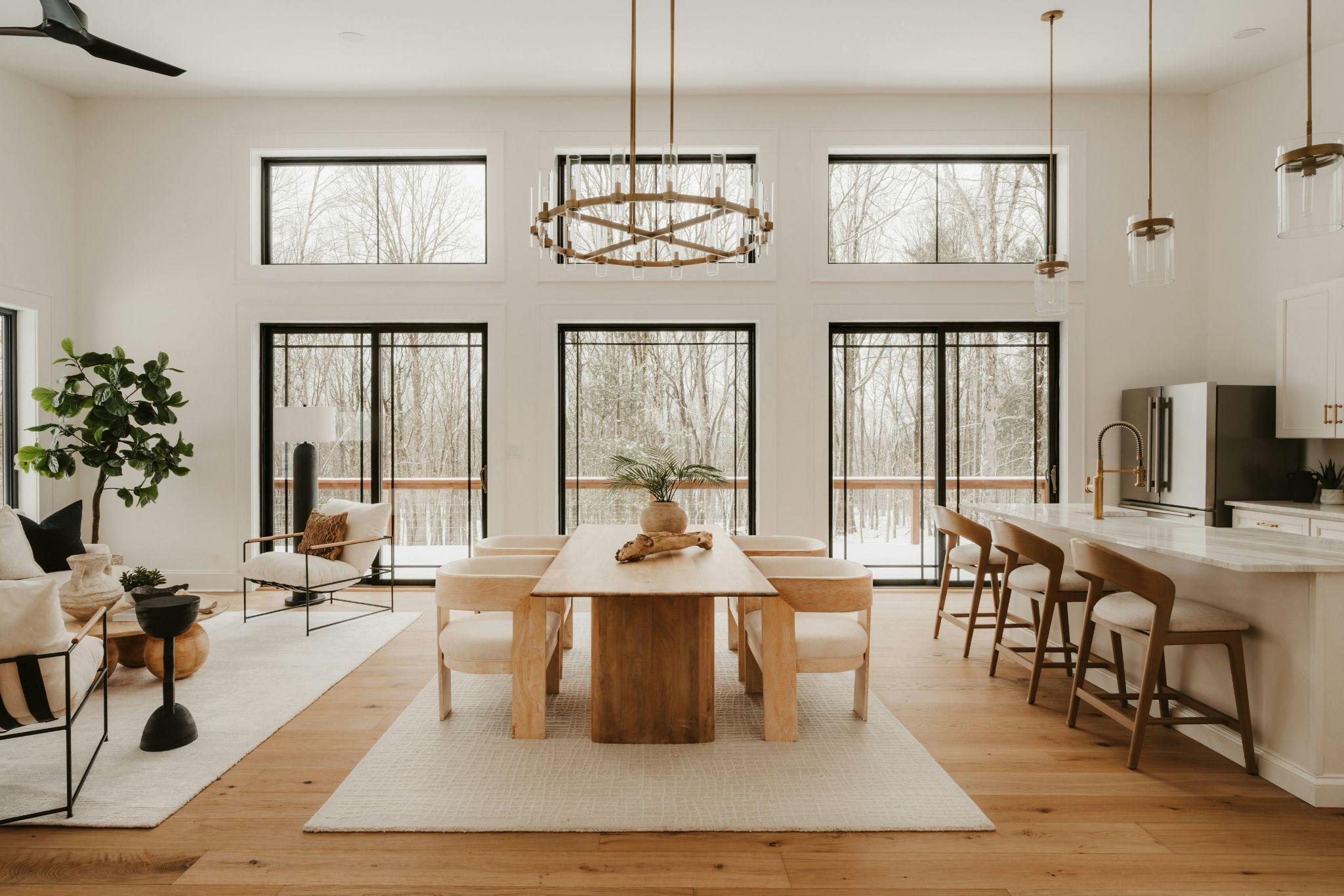
Open layouts often provide convenient movement between living, dining, and kitchen areas. However, thoughtful zoning remains important for keeping different activities organized without allowing clutter to spread throughout the home.
Modern residential design increasingly emphasizes practical spaces that combine comfort with efficient use of available square footage. Inspiration from Urban Living can help homeowners explore contemporary living arrangements and design ideas that prioritize functionality alongside attractive interiors.
Features such as accessible storage, practical furniture placement, and clear walking routes make everyday responsibilities easier. A well-planned home allows residents to spend less time managing their surroundings and more time enjoying them.
Durable Materials Help Reduce Long-Term Maintenance
Material selection plays an important role in creating a home that remains attractive with relatively little upkeep. While delicate finishes may look impressive initially, they can become inconvenient when exposed to everyday wear.
Durable flooring, washable wall finishes, and moisture-resistant materials can be particularly valuable in frequently used rooms. Kitchens and bathrooms benefit from surfaces designed to tolerate humidity, cleaning products, and regular contact with water.
Furniture also deserves consideration. Upholstery that is easy to clean and tables with resilient finishes can simplify maintenance in households with children or pets.
Homeowners should evaluate durability alongside appearance and initial cost. Spending more on suitable materials may reduce the need for frequent replacement, although long-term value depends on product quality and installation.
The objective is to select finishes that support ordinary living without requiring constant protection or specialized maintenance.
Built-In Storage Makes Organization More Manageable
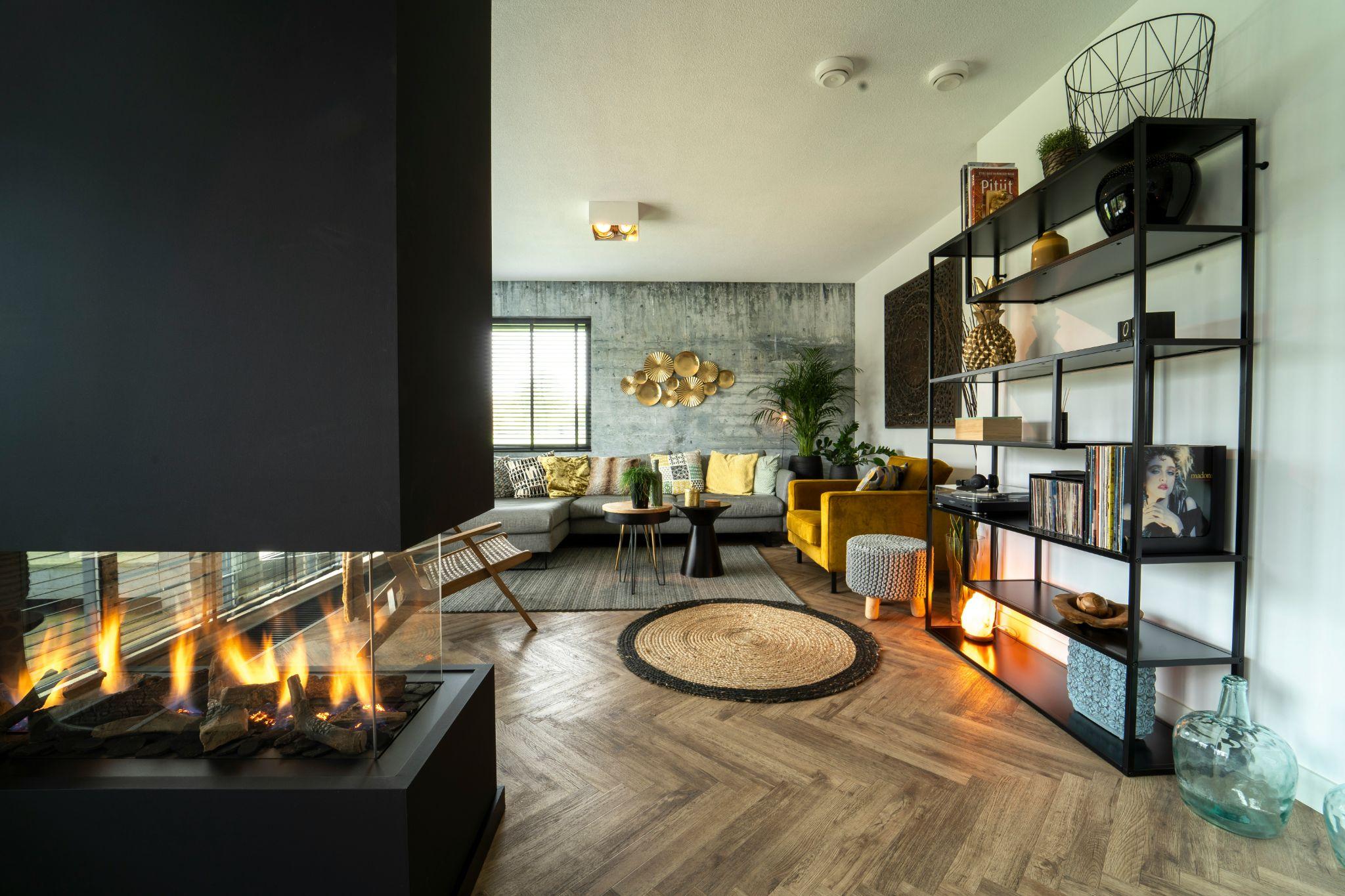
Clutter can make even a beautifully designed home feel difficult to maintain. When belongings lack designated storage areas, everyday objects gradually accumulate on countertops, tables, and other visible surfaces.
Built-in cabinets, under-bed drawers, and multifunctional furniture offer opportunities to keep essential items organized without introducing additional bulky storage units.
Entryways are particularly important because shoes, coats, keys, and bags often collect near the front door. A compact storage bench or carefully arranged cabinet can prevent these belongings from spreading into surrounding rooms.
Kitchen organization benefits from similar planning. Pull-out drawers, pantry organizers, and accessible shelving make it easier to locate frequently used items while reducing unnecessary rearranging.
Effective storage should reflect how residents actually use their belongings. Systems that are convenient to maintain are more likely to remain organized over time.
Efficient Technology Simplifies Household Responsibilities
Technology has introduced new possibilities for reducing repetitive household tasks. Robotic vacuum cleaners, programmable thermostats, and connected appliances can help residents manage selected responsibilities more conveniently.
Automated cleaning devices may be particularly useful for maintaining floors between more thorough cleaning sessions. Their effectiveness depends on the home’s layout, flooring materials, and the amount of furniture or clutter present.
Smart thermostats allow residents to manage heating and cooling schedules according to daily routines. Connected lighting can provide similar convenience through timers, motion sensors, and remote controls.
However, the value of household technology depends on genuine practicality. Devices that require complicated setup or frequent troubleshooting may create additional work instead of simplifying life.
Choosing reliable equipment with understandable controls helps ensure that technology supports the household rather than becoming another responsibility.
Outdoor Spaces Are Becoming Easier to Maintain
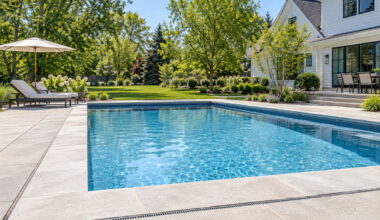
Low-maintenance living extends beyond interior design. Gardens, patios, balconies, and other outdoor areas can require considerable attention, particularly when landscaping involves demanding plants or elaborate decorative features.
Homeowners are increasingly exploring outdoor designs that balance visual appeal with manageable upkeep. Native or climate-appropriate plants can be useful choices when their growing requirements match local conditions.
Mulched planting beds, clearly defined pathways, and suitable irrigation arrangements can simplify gardening tasks. Durable outdoor furniture also reduces the need for frequent refinishing or replacement.
Smaller outdoor spaces may benefit from container gardens and carefully selected greenery that provides atmosphere without requiring extensive landscaping work.
The goal is not to eliminate outdoor enjoyment but to create surroundings that remain attractive without consuming every available weekend.
Smaller Homes Encourage More Intentional Living
The popularity of compact apartments and smaller houses reflects a growing interest in spaces that are easier to manage. Reduced square footage can mean fewer surfaces to clean, lower furnishing requirements, and less time spent maintaining unused rooms.
However, smaller homes require thoughtful organization to remain comfortable. Furniture proportions, storage capacity, and room functionality become particularly important when space is limited.
Multifunctional areas allow one room to support different activities. A dining table might also serve as a workspace, while a guest room could accommodate hobbies or occasional remote work.
Intentional purchasing becomes valuable because unnecessary belongings can quickly overwhelm compact interiors. Selecting versatile furniture and keeping only useful items helps preserve a sense of openness.
A smaller property can offer considerable comfort when its design supports the residents’ actual lifestyles.