Fashion trends change constantly, introducing new colors, silhouettes, accessories, and styling ideas every season. While these developments can provide inspiration, trying to follow every trend often results in a wardrobe filled with pieces that rarely feel right together. Developing a signature look offers a more personal approach to fashion, allowing individuals to express themselves without continually reinventing their appearance.
A recognizable personal style does not require wearing the same outfit every day or avoiding experimentation. Instead, it involves understanding which clothing, colors, and accessories reflect individual preferences and complement everyday activities. The most distinctive looks often combine familiar wardrobe essentials with carefully chosen details.
Finding that balance takes time, but it can make getting dressed easier and shopping more intentional. By identifying favorite pieces, exploring different combinations, and choosing trends selectively, anyone can create a style that feels comfortable, confident, and genuinely personal.
Small Beauty Details Can Become Part of Your Signature Style
Personal style extends beyond clothing. Hairstyles, nail designs, makeup preferences, and jewelry can all contribute to a recognizable appearance. Sometimes, a consistent beauty detail becomes just as distinctive as a favorite jacket or preferred clothing silhouette.
Nail styling offers considerable room for personal expression because colors and finishes can complement different outfits without requiring major wardrobe changes. Someone who favors neutral clothing might introduce subtle shimmer through their manicure, while another person may choose deep, dramatic shades that reinforce a bolder aesthetic.
For those interested in creating dimensional nail effects, learning how to use cat eye gel polish introduces a technique that uses magnetic particles to create distinctive patterns and reflections. The resulting finishes can work particularly well with minimalist jewelry, evening outfits, and carefully coordinated color palettes.
Professional gel nail products require appropriate application techniques and curing equipment. When incorporated into a consistent beauty routine, a preferred manicure style can become a small but memorable part of someone’s overall fashion identity.
Identify the Clothing You Naturally Wear Most Often
Building a signature look begins with examining existing preferences rather than purchasing an entirely new wardrobe. Most people already own certain garments they reach for repeatedly because those pieces feel comfortable and reflect their personalities.
These favorites can reveal useful patterns. Someone who regularly chooses straight-leg jeans, structured jackets, and simple tops may naturally prefer understated contemporary styling. Another person drawn to colorful dresses and decorative accessories might enjoy a more expressive aesthetic.
Looking at preferred fabrics, cuts, and combinations helps identify the characteristics that make an outfit feel successful. Comfort deserves particular attention because clothing that looks attractive but feels inconvenient rarely becomes a lasting favorite.
Photographing outfits that work well can also provide a practical reference. Over time, these images reveal recurring combinations that can form the foundation of a recognizable personal style.
Develop a Color Palette That Feels Like You
Color strongly influences how an outfit is perceived, making it an important part of building a consistent wardrobe. However, creating a personal palette does not mean limiting clothing to only a few acceptable shades.
A useful starting point is identifying two or three neutral colors that work together. Black, navy, cream, gray, and brown can provide foundations for numerous combinations, depending on individual preferences.
Accent colors introduce greater personality. Burgundy, forest green, cobalt blue, or softer pastel shades may become recurring elements that make outfits more recognizable.
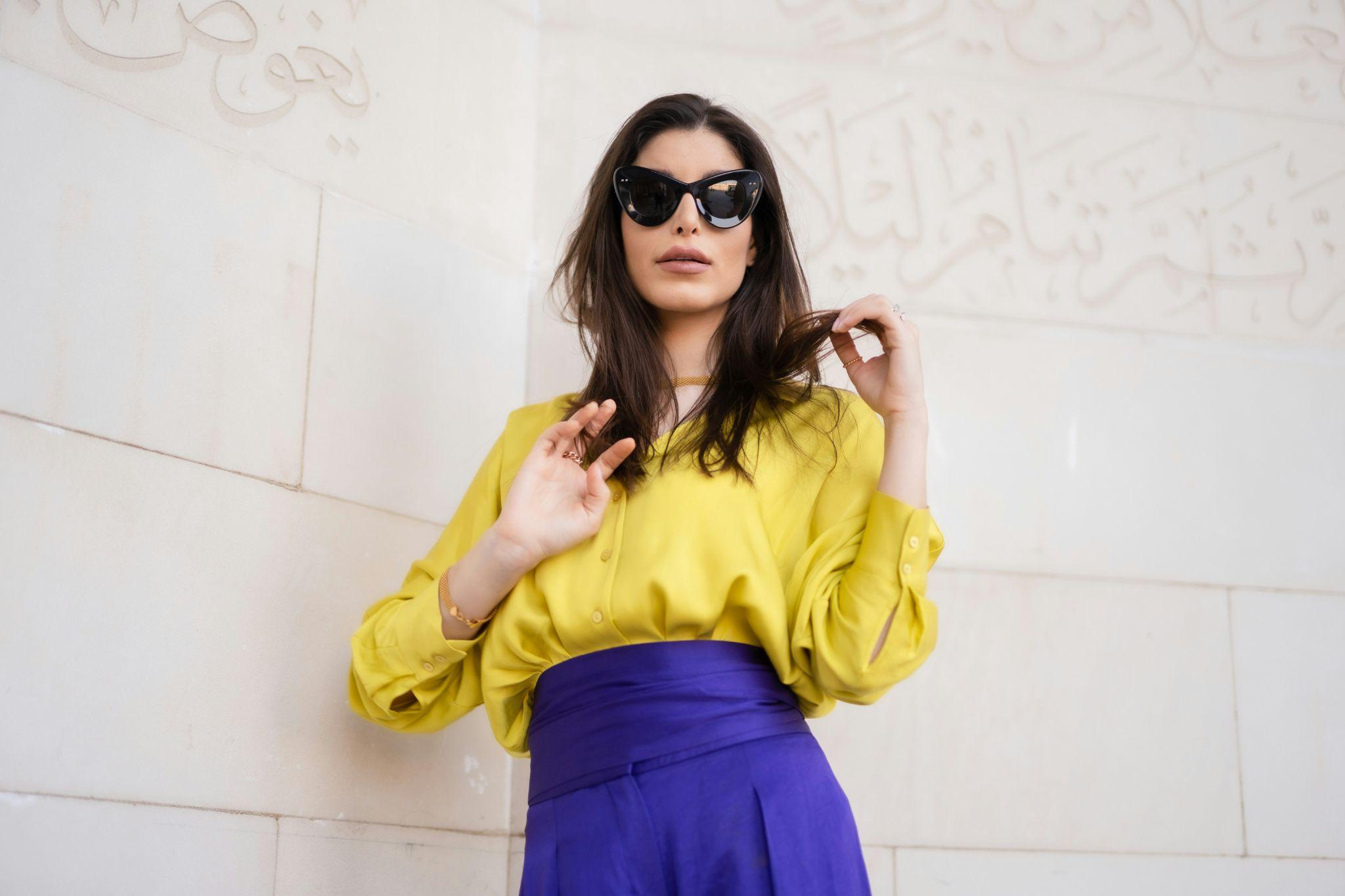
People who enjoy stronger contrasts can develop palettes built around vibrant combinations rather than traditional neutrals. The important factor is choosing colors that are enjoyable to wear and easy to combine.
A familiar palette also simplifies shopping. New purchases are more likely to complement existing clothing when they share a recognizable color direction.
Invest in Versatile Pieces Instead of Constantly Shopping
A signature wardrobe often becomes more effective when it contains fewer pieces with greater versatility. Clothing that works across different situations allows individuals to create varied outfits without continually purchasing replacements.
Well-fitting trousers, comfortable jeans, reliable outerwear, and everyday shoes can provide a practical foundation. Their specific styles should reflect personal preferences rather than a standardized list of wardrobe essentials.
Quality and durability are also worth considering. Materials, stitching, and garment construction influence how well clothing withstands repeated use and cleaning.
Versatility does not require every item to appear plain or conservative. A distinctive coat or patterned shirt can become a frequently worn favorite when it complements several existing pieces.
Thoughtful purchasing encourages people to focus on how a garment will fit into their lives rather than whether it is currently receiving attention online.
Use Accessories to Express Your Personality
Accessories offer one of the easiest ways to create a recognizable appearance. Jewelry, handbags, scarves, belts, and footwear can introduce consistent design elements while allowing clothing combinations to change.
Someone might become known for wearing sculptural silver jewelry, colorful scarves, or vintage-inspired handbags. These recurring choices help establish visual identity without requiring elaborate outfits.
The relationship between accessories and clothing matters more than following strict matching rules. A simple outfit may benefit from one distinctive statement piece, while heavily patterned clothing may work better with subtle accessories.
Sentimental items can also contribute to personal style. A family ring, meaningful necklace, or favorite watch introduces individuality that cannot be replicated through seasonal trends.
Over time, carefully selected accessories become familiar elements of a wardrobe, making everyday styling feel more natural.
Experiment With Trends Without Losing Your Identity
Developing a signature look does not mean ignoring new fashion ideas. Trends can introduce interesting silhouettes, unfamiliar colors, and styling techniques that refresh an existing wardrobe.
The difference lies in selecting developments that genuinely complement personal preferences. Someone who enjoys relaxed tailoring may welcome wider trousers, while a person drawn to romantic styling might experiment with delicate textures.
Trying a trend through one accessory or affordable garment can provide an opportunity to evaluate it before making larger purchases. This approach makes experimentation enjoyable without requiring a complete wardrobe transformation.
It is equally important to recognize when a popular style simply does not appeal. Fashion becomes more rewarding when personal comfort and expression guide decisions.
Ultimately, the goal is to borrow inspiration selectively rather than treating trends as instructions.
Allow Your Signature Style to Evolve Naturally
Personal style is not something that must remain unchanged throughout life. Careers, daily routines, interests, and individual preferences evolve, and wardrobes can develop alongside them.
Someone entering a new professional environment may begin incorporating structured clothing, while changing leisure activities might encourage more practical casual outfits. These adjustments can become part of a recognizable style without replacing its underlying character.
Reviewing clothing periodically helps identify which pieces still feel relevant and which no longer serve everyday needs. Updating familiar combinations with different accessories or tailoring can also give existing garments renewed appeal.
Confidence develops through understanding what feels comfortable and authentic rather than achieving a perfectly coordinated appearance every day.
A strong signature look ultimately reflects consistency without becoming restrictive. Favorite colors, reliable silhouettes, distinctive accessories, and personal beauty choices can work together to create an individual aesthetic.
By using fashion trends as occasional inspiration instead of constant direction, anyone can develop a wardrobe that feels recognizable, adaptable, and genuinely their own.